Rummy Discard Zones: Organize Cards by Decision Pressure
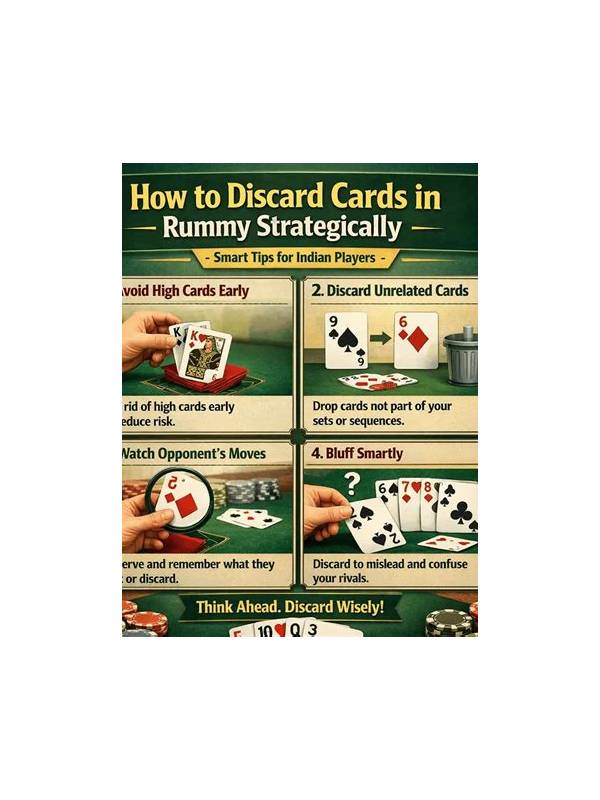
A hand can be organized in many ways, but sorting by suit or rank does not always reveal which card should be considered first. A discard-zone method adds a second layer: cards are grouped according to how much pressure they place on the next decision.
Create three zones. The first is “protected,” for cards supporting a legal requirement or a strong, well-evidenced route. The second is “review,” for flexible cards that may be useful but compete with another plan. The third is “release,” for isolated or costly cards with no clear connection. These labels are temporary and should change when new information arrives.
Do not put a card in the release zone simply because it is high value. Check whether it completes or supports a structure first. Likewise, do not protect a low-value card automatically if it blocks a stronger route. The zones describe current decision pressure, not a permanent ranking of cards.
When a draw arrives, place it in the appropriate zone before reorganizing everything. If it strengthens a protected group, note the improvement. If it creates a new review card, compare it with the existing route rather than keeping both by default. If it makes another card irrelevant, move that card toward release.
This method is particularly useful on a small screen, where constant rearrangement can cause mistakes. You can use physical spacing, a preferred order, or mental labels depending on the interface. Never write private card information where other people can see it, and follow the platform’s rules about notes.
After the round, ask whether your zones matched the final outcome. A release card may turn out to have been useful, but that does not automatically make the earlier label wrong. Review the information available at the time. The purpose is to improve prioritization, not to demand perfect prediction. A fourth zone, “unknown,” can be useful when the rules or interface are unclear. Put a card there temporarily rather than forcing a decision based on incomplete information. Check the rule page or wait for a legal opportunity to clarify the situation. In a timed game, unknown cannot remain forever, so use a preselected fallback such as releasing the least connected low-information card. The purpose of the zones is to expose pressure, not hide uncertainty. If a card moves repeatedly between zones, mark it as a review priority and examine the competing routes after the hand. If a card moves repeatedly between zones, mark it as a review priority and examine the competing routes after the hand.