Rummy Guide: Build a Clear Plan From a Messy Opening Hand
An opening hand can look like a collection of unrelated cards, especially when several ranks and suits compete for attention. The useful response is not to force a complete arrangement immediately. Instead, create a short inventory, identify the strongest structure, and leave room for new information.
Start by grouping cards in two ways. First, place likely same-suit neighbors together. A four, five, and six of one suit deserve attention because they already have a natural order. Second, mark repeated ranks that could become a set. Do not treat every pair as equally promising. A pair with several nearby cards or an available joker has more potential than an isolated duplicate.
Next, give each card one temporary role: committed, possible, or expendable. Committed cards already belong to a convincing sequence or set. Possible cards support one of two routes but need help. Expendable cards have few realistic connections. This label is a working note, not a permanent judgment. A draw can change it on the next turn.
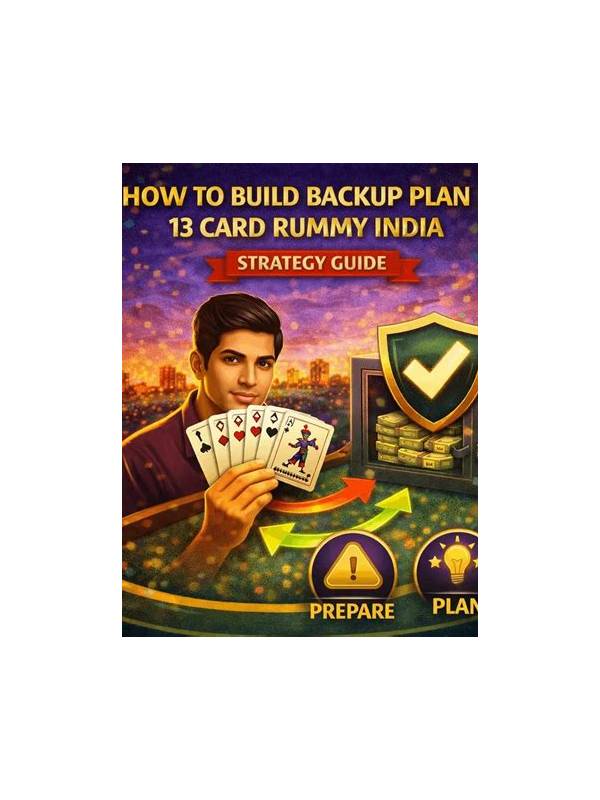
Choose one primary plan and one backup. The primary plan should use the most connected cards with the fewest missing links. The backup should reuse at least one card but require a different kind of support. For example, a connected suit run may be primary while a repeated rank is the backup. Avoid maintaining four competing plans; that makes every discard feel urgent and hides the cost of keeping loose cards.
Before the first discard, ask three questions. Which card has the highest replacement cost if discarded? Which card is least useful across both plans? Which draw would improve the hand without requiring a full reorganization? These questions turn a vague impression into a comparison.
Finally, accept that an opening hand is a forecast rather than a promise. Set a review point after two or three draws. If the primary plan has not gained support, reduce its status and promote the backup. A clear plan is valuable because it can be revised cleanly, not because it predicts the entire round. If you play online, use the interface to support this process. Keep completed groups visually separate, enlarge the card area if needed, and avoid making a discard while notifications or chat compete for attention. A brief pause before confirming the move is part of the plan, not wasted time. After the hand, note whether the opening labels helped you notice a better route. If they did not, simplify them rather than adding categories. The inventory should reduce mental load and make the next decision visible.