Rummy Comparison: Draw From the Deck or Take the Visible Card?
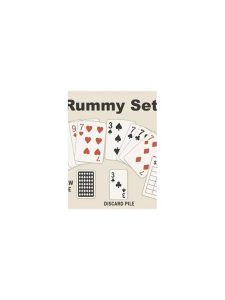
Choosing between the closed deck and the visible discard is one of rummy’s recurring decisions. Neither source is automatically better. The visible card gives known information, while the closed deck preserves uncertainty. Compare what each option does to your hand before deciding.
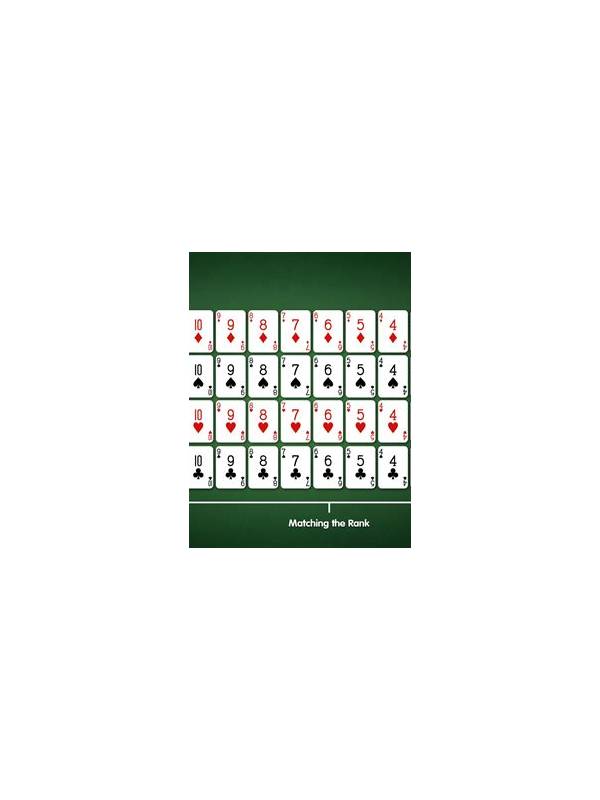
Start with immediate value. Does the visible card complete a required pure sequence, finish a set, or connect two cards that already support one another? A direct improvement deserves serious attention. If the card only resembles a plan, write down the missing steps and compare them with the unknown card you might draw.
Next consider information. Taking the visible card tells the table something about your direction and removes that card from future consideration. Drawing from the closed deck reveals less about your plan, but it may also give you a card that is easier to discard without helping another player. Information has strategic value on both sides.
Check the cost of keeping the visible card. If taking it forces you to retain a high-point orphan or break a flexible combination, the apparent gain may be small. Place the card into the hand mentally and identify the likely discard before you commit. This simple simulation catches many impulsive draws.
Timing matters. Early in a hand, uncertainty can be useful because your routes are open. Later, a known card that completes a requirement may be worth more than the possibility of a perfect unknown card. Conversely, when your hand is already narrow, taking a visible card that advertises your only route may be dangerous.
Use the discard pile as context, not as a prediction machine. Several visible cards in one suit may change the value of another card, but you cannot know every hidden holding. Choose the option that gives a defensible improvement with an acceptable downside.
After the hand, review the draw choice by asking what you knew then. If you chose the closed deck because the visible card was merely interesting, the decision may have been sound even when the unknown card missed. Evaluating the reasoning keeps luck from rewriting your strategy.
Avoid using a fixed rule such as “always take a completing card” or “never reveal a route.” Rules can be useful reminders, but table context changes their value. A completing card that satisfies a required condition is different from one that merely starts a high-point combination. A private draw that leaves no playable discard may be worse than a visible draw that solves a structural problem. Compare the whole turn.