Rummy Safety: Set a Cooling-Off Rule After a Frustrating Loss
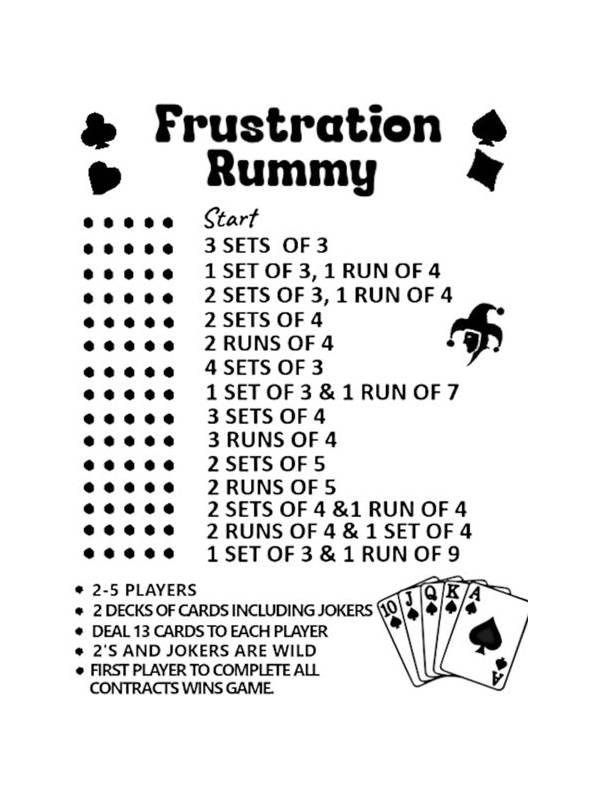
A frustrating loss can make the next hand feel like an opportunity to recover immediately. That feeling is understandable, but it can also change careful choices into rushed ones. A cooling-off rule gives you a preselected pause before you decide whether to continue.
Choose the trigger in advance. It might be two consecutive losses, a result that makes you angry, a mistake you keep replaying, or a deposit-related thought that was not part of your plan. The trigger should be observable. “When I feel bad” is harder to apply than “after I notice myself opening another table to win back points.”
Choose the pause length before the session starts. A short break can include standing up, drinking water, or leaving the screen for ten minutes. A stronger trigger may require ending the session for the day. The aim is not punishment; it is to let emotion fall below the level where it controls the next action.
During the pause, do not analyze the entire hand or browse offers. Use a neutral activity and avoid decisions about deposits, withdrawals, or stakes. If you want to review the loss, write one factual sentence and postpone deeper analysis until you are calm. This protects the review from becoming another form of emotional replay.
After the pause, ask three questions. Am I within the time and spending limits I set? Can I describe the next decision without mentioning recovery? Would I be comfortable stopping now? If any answer is no, end the session. A planned stop is a successful safety decision, not a failure to persevere.
Record whether the rule helped. You may discover that a short break is enough for practice play but not for money-related decisions, or that certain triggers always lead to stopping. Adjust the rule between sessions, never in the middle of frustration.
Responsible play is built from ordinary boundaries that remain useful when motivation is high. A cooling-off rule removes the need to negotiate with yourself at the most difficult moment and keeps one result from deciding what happens next.
Tell a trusted person about the boundary if that support feels comfortable, especially when money is involved. External accountability can make a private rule easier to honor. Keep the rule visible before the session, not hidden after a loss. The strongest plan is the one you can follow without bargaining, exceptions, or a promise that the next hand will repair the previous result.