Rummy FAQ: When Is a Low-Value Card Worth Keeping?
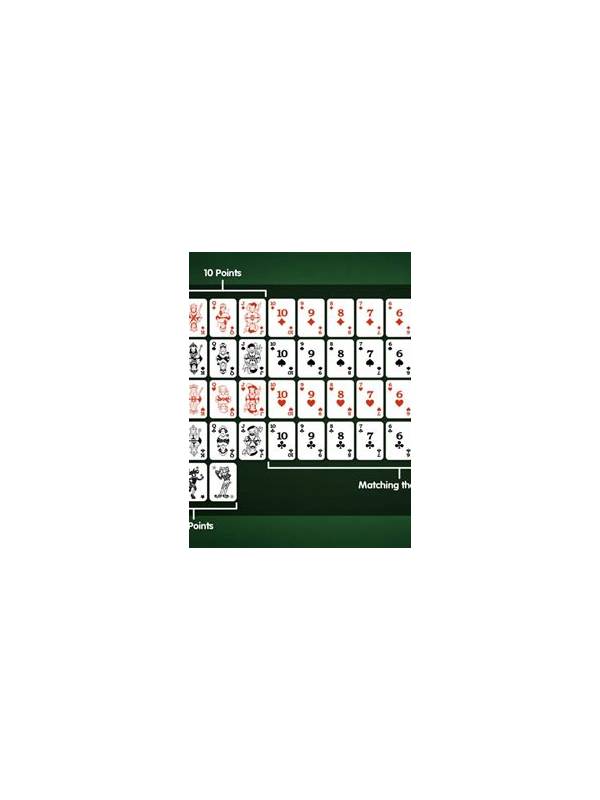
A low-value card is not automatically a good discard. Its value depends on the cards around it, the rules of the format, and how much flexibility your hand needs. A two may be nearly isolated, or it may connect to an ace and three in the same suit. It can also be the missing link in a pure sequence. The number printed on the card is only one part of the decision.
Begin by checking direct connections. Does the card join a pair, extend a run, or sit between two cards that could become a sequence? A middle card often has two possible neighbors, while an edge card may have only one. This does not guarantee that the middle card should stay, but it gives it more ways to become useful. Mark each realistic route rather than counting every theoretical combination.
Then check the opportunity cost. Keeping a low card may force you to hold a high, awkward card for another turn. If your hand already contains several groups, the low card may be a harmless reserve. If the hand is disorganized, it may delay a necessary restructure. Compare the card with the weakest card you would keep instead, not with an ideal card that has not appeared.
The discard pile supplies another clue. If cards adjacent to your low card have recently appeared, its practical chance of helping may be lower. However, avoid treating the visible pile as a complete count unless the rules and information actually support that conclusion. A card that looks safe can still be needed by another player. Use the pile to update your plan, not to claim certainty.
Finally, ask whether the card supports more than one plan. A low card that can join two different groups is often worth one extra decision cycle. Give it a deadline: keep it until the next meaningful draw, then reassess. This prevents sentimental holding. The right question is not “Is this card small?” but “What work can this card still do, and is that work worth the space it occupies?”
Also consider communication value. A discard may tell another player less when it is an isolated low card, but you should not assume that makes it automatically safe. Other players may have different needs, and an apparently harmless card can complete a route. Use this as a secondary consideration after evaluating your own hand. Your first responsibility is to build a valid, manageable structure; speculation about another player should not replace that basic check.