Rummy Guide: Use a Color-Coded Risk Map for Discards
When a rummy hand becomes crowded, every discard can feel equally urgent. A useful way to reduce that pressure is to make a small risk map. The map does not predict the future or replace judgment. It simply separates cards that are dangerous to release from cards that are unlikely to help an opponent.
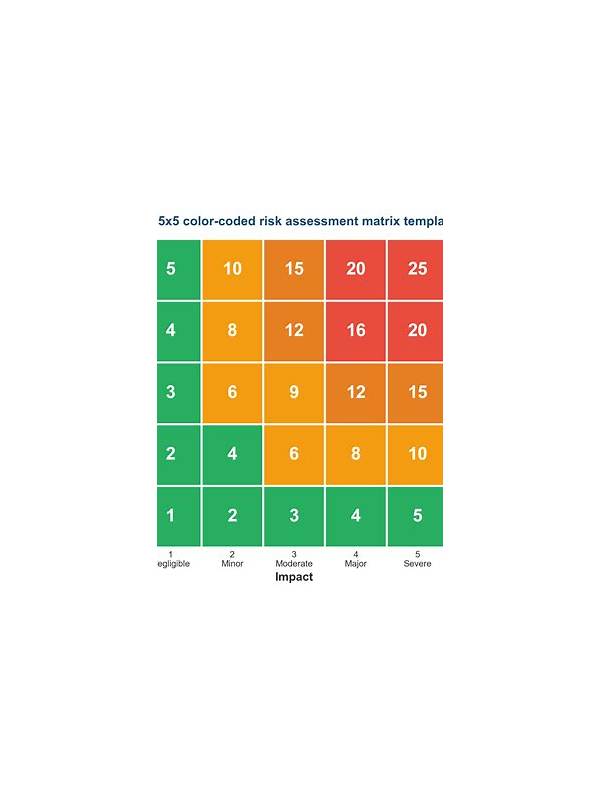
Start by giving each possible discard a color. Use green for a card that has little visible connection to the table, yellow for a card that could support a reasonable sequence or set, and red for a card that is clearly connected to cards another player has taken or exposed. If you prefer paper notes, write three columns. If the game interface allows sorting, use the same order in your hand.
The first step is to mark public information. Look at the discard pile and any exposed melds. A six of hearts, for example, deserves more attention if a player recently took the five and seven of hearts. It also deserves attention if that player has displayed an eight of hearts. Those facts do not prove the six is wanted, but they raise its risk. Mark it yellow or red depending on how many connections you can see.
Next, consider your own alternatives. A card that looks risky may still be the correct discard if keeping it blocks a much stronger plan. This is where the map becomes more useful than a fixed rule. Compare the cost of releasing the card with the value of preserving it. A red card that completes your only realistic sequence may stay in your hand, while a yellow card that has no role in any current group can leave.
Use the map again after every meaningful draw. Colors should change as evidence changes. A card may move from yellow to green when nearby cards appear in the discard pile, or from yellow to red when an opponent takes a related card. Updating the map prevents you from treating an old assumption as a permanent fact.
Avoid making the system too detailed. Three colors are enough. If you assign separate shades for every possible probability, you will spend more time managing the chart than reading the hand. The goal is a quick visual prompt: check the public links, check your own plan, then choose the lowest-cost discard.
After the hand, review only two decisions. Ask which card you colored red and whether the evidence justified that label. Then ask whether you discarded a green card simply because it was convenient. This short review helps improve both observation and discipline. Over time, the map becomes an internal habit rather than an extra task, giving you a calmer way to compare discards when the hand offers no obvious answer.