Rummy Safety: Keep Practice Separate From Financial Decisions
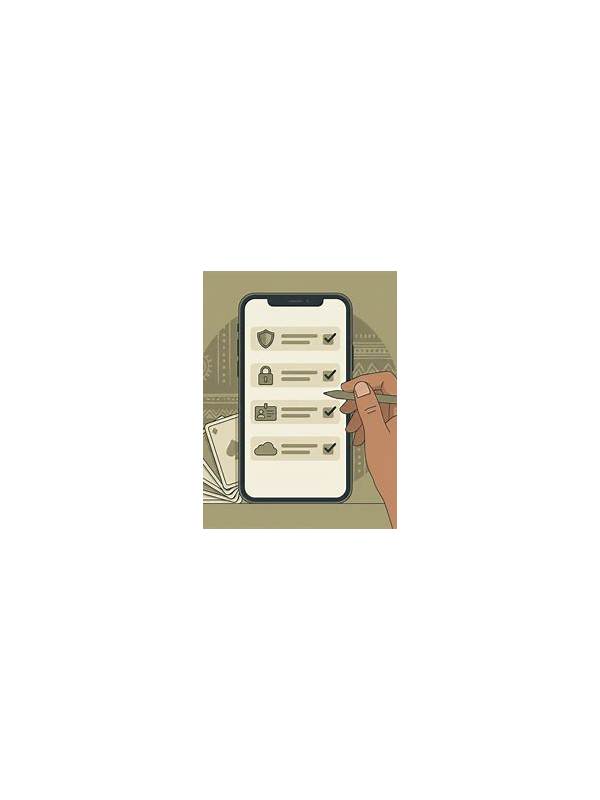
Practice and financial play answer different questions. Practice asks whether you understand a rule or can execute a process. A money decision adds budget, risk, and emotional pressure. Keeping the two separate makes it easier to know what you are actually learning.
Define the practice objective before starting. You might study hand structure, rehearse a declaration check, or review discard timing. Use a no-stakes setting when available, or use physical cards and notes. Do not treat a practice result as evidence that a financial outcome is guaranteed. Skill can improve without removing uncertainty.
If you choose to play for money, set the budget before opening the table. The amount should be entertainment spending that you can lose without affecting necessities. Do not increase it because practice felt successful, and do not chase a loss to prove that the skill is real. A separate limit keeps the decision from changing mid-session.
Keep records separate too. A practice log can contain reasoning and mistakes. A financial record should focus on deposits, withdrawals, limits, and dates, without storing passwords or sensitive payment details in casual notes. Separating the documents reduces confusion and makes it easier to review each activity honestly.
At the end, ask which goal the session served. If you wanted to learn but found yourself focused on recovering money, stop and return to a no-stakes exercise another day. Safe practice is not about avoiding challenge. It is about making sure the challenge remains educational rather than becoming pressure disguised as learning.
It can help to use a written transition between the two activities. Finish the practice note, close the review, and decide whether the financial session is within the preset budget before entering it. If you feel urgency, disappointment, or a need to prove something, return to no-stakes practice or stop for the day. A pause is a valid result. Skill development is more sustainable when money is never used as the test of whether a lesson counted. Use practical safeguards around any financial activity: keep the preset limit visible, avoid borrowing for play, and take a break if you begin hiding the amount from yourself or others. These are not judgments about a particular result. They are reminders that a learning goal should remain compatible with ordinary responsibilities. Returning to practice later is always available; a pressured decision does not need to be repeated. That boundary keeps the lesson clear, affordable, and available for another day.