
Rummy FAQ: When Is a Flexible Card Actually Useful?
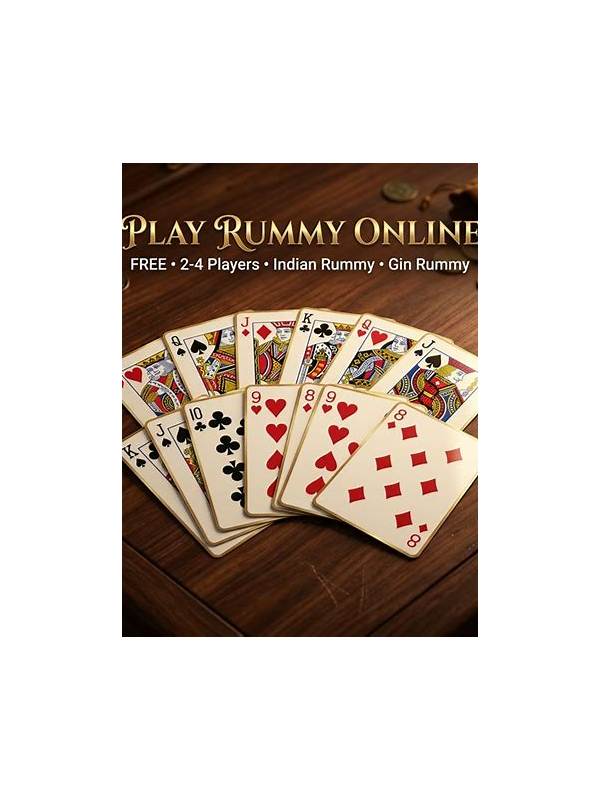
A flexible card can connect with several possible groups, but possibility alone does not make it valuable. Its practical usefulness depends on the number of realistic routes, the timing of the hand, and the cost of keeping it. This FAQ explains how to judge flexibility without overrating cards that simply look interesting.
First, list the card’s actual connections under the table’s rules. A middle-ranked card may fit two sequences, while a duplicate may support a set. Then check whether the surrounding cards are available or already visible in discards. A theoretical connection to a card that has disappeared is not as useful as an ordinary route with several live options.
Timing changes the answer. Early in a hand, a flexible card can justify patience because many draws remain. Late in a hand, the same card may be too slow if it needs one exact improvement. Set a review point rather than holding it forever. At that point, compare the card with the best available replacement and the points you would risk by waiting.
Flexibility should also be measured against the rest of the hand. A card that supports two routes may be less useful than a card that completes a required pure sequence. Look for overlap: the best flexible cards often serve more than one plan while leaving a clean exit if the first plan fails.
Finally, separate flexibility from attachment. If you keep a card because it has been in the hand for many turns, reassess it as if it had just arrived. Useful flexibility is evidence-based and time-aware. It helps preserve options, but it should never prevent you from simplifying a hand that is becoming too narrow.
An easy test is to remove the card mentally and ask what the hand loses. If removing it destroys a confirmed requirement, its value is structural. If removal only erases a story about what might happen, its value may be emotional. You can also compare the card with a neutral low-risk card that has no obvious combination. Would you still keep the flexible card after considering the points and the next discard? This comparison exposes whether the card is genuinely helping. Flexibility is strongest when it buys more than one sensible next action and weakest when it merely delays an uncomfortable discard. Recheck the card after every meaningful change, because a new group can make yesterday’s flexibility unnecessary. Value is always contextual.


