
Rummy How-To: Sort a Hand by Decision Priority
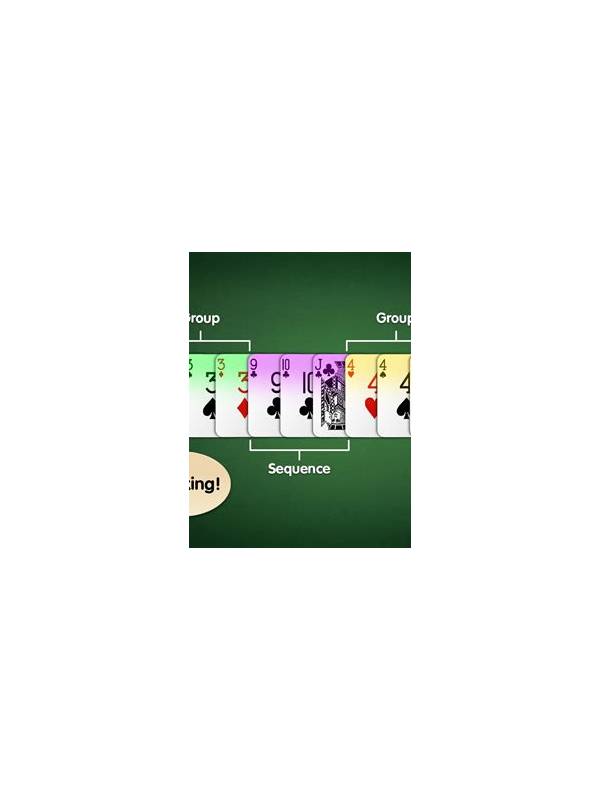
When a hand contains many partial groups, sorting only by suit or rank may not show what deserves attention. Decision-priority sorting adds a second layer: required structures first, flexible connections next, and isolated liabilities last. It is a practical way to reduce visual clutter.
Start with cards that are already part of a legal or required structure. Do not disturb them casually, especially when the format requires a particular sequence type. Check the rules because the meaning of a valid arrangement differs between games. Mark these cards as protected, but recheck them if a new draw creates a better structure.
Next, place flexible cards together. These are cards that support more than one realistic route or can join a group with several possible outcomes. Flexibility is useful only when the connections are plausible. A card with many imaginary uses belongs lower in the priority list than a card with one clear use.
Finally, isolate liabilities. Include high-point cards with no connection, duplicate cards that exceed a useful group, and cards held only because they were once part of a plan. Compare these liabilities with each other before discarding. Removing the most expensive isolated card is a reasonable default, but a lower-point card might be blocking a final arrangement.
After sorting, choose one main question for the turn: complete, broaden, or reduce risk. A single question is easier to apply than trying to improve every group at once. Re-sort after drawing because the new card can change a card’s priority immediately.
Practice the method with sample hands until the categories become mental rather than physical. Keep personal notes free of sensitive information, and use the technique to support calm play within preset time and spending limits. Sorting cannot control the draw, but it can make your next decision clearer.
Priority sorting is especially useful after a surprising draw. Place the new card beside each possible role and ask which role is most supported. Do not automatically protect the newest card because it feels fresh. Likewise, do not discard an older card merely because it has been held for several turns. Re-evaluate both by present value. Once the priority order is clear, act on one improvement and accept that the remaining cards may need another review later.
This keeps the hand organized without pretending that every card can be controlled.
Clear priorities are enough; perfect certainty is unavailable.
Re-sort only when a new card materially changes the hand.
This avoids unnecessary mental work between ordinary turns.


