
Rummy Comparison: Speed Tables Versus Thinking Tables
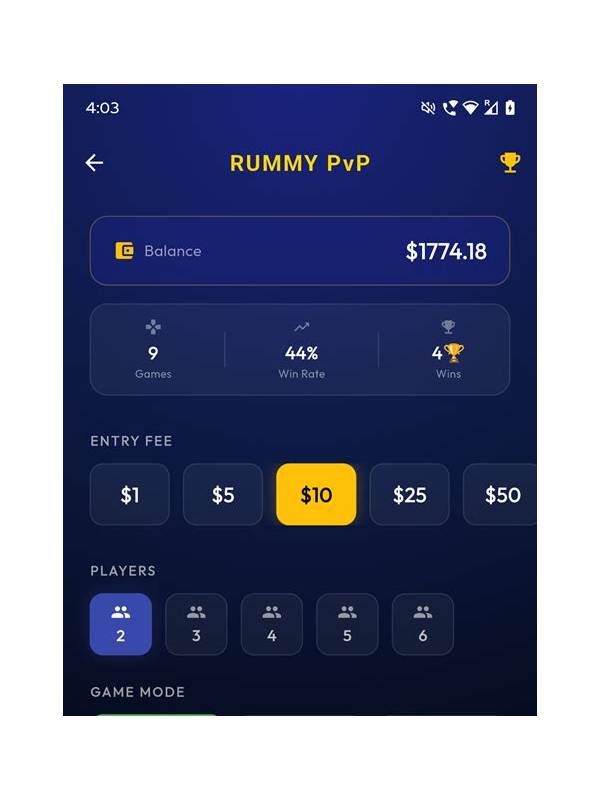
A fast table and a slower thinking table can feel like two different games even when the rules are identical. Speed tables reward rapid recognition and prepared routines. Slower tables provide more room to inspect alternatives and learn from unfamiliar positions. Neither format is universally better.
Choose a fast table when you already understand the rules, can sort your hand quickly, and want to practise making decisions under a time limit. The pressure can reveal whether your plan is genuinely clear or depends on lengthy analysis. It can also expose weak screen layout or notification problems.
Choose a slower table when learning a format, testing a new strategy, or reviewing why a decision failed. Extra time allows you to name the routes in your hand, compare missing cards, and observe public information. It does not guarantee better choices, but it makes the reasoning easier to examine.
The main trade-off is between decision speed and decision visibility. A fast environment may encourage a familiar move before you notice a better one. A relaxed environment may encourage overthinking and make every option seem equally important. Set a time target even at a slow table, and use a short checklist at a fast one.
Compare tables using practical measures: average time available, entry cost, interruption risk, rule complexity, and your goal for the session. If the aim is confidence, start slowly. If the aim is execution, add speed gradually. Moving directly to the fastest table after a long break can confuse pressure with skill.
You can also alternate formats. Use a slower table to identify one recurring mistake, then use a faster table to practise the corrected routine. Record whether the same mistake returns under pressure. This creates a useful bridge between understanding and execution.
Select the table that matches the skill you are actually practising. A comfortable pace is not laziness, and a fast pace is not automatically progress. The best format is the one that makes your decisions observable, affordable, and appropriate for your current level.
Also compare how you feel after each format. If speed produces confusion rather than useful pressure, return to a slower environment and simplify your checklist. If a relaxed table leads to endless hesitation, add a personal decision limit. The aim is a gradual transfer: understand the reason for a move at a calm pace, then practise making the same kind of move more efficiently. Keep stakes and distractions constant while comparing formats. Changing the table, budget, device, and strategy at the same time makes the result hard to interpret. A simple record of pace, confidence, and one recurring error can show whether speed is building skill or merely increasing pressure. Adjust one factor at a time.


