
Rummy How-To: Build a Decision Log in Four Lines
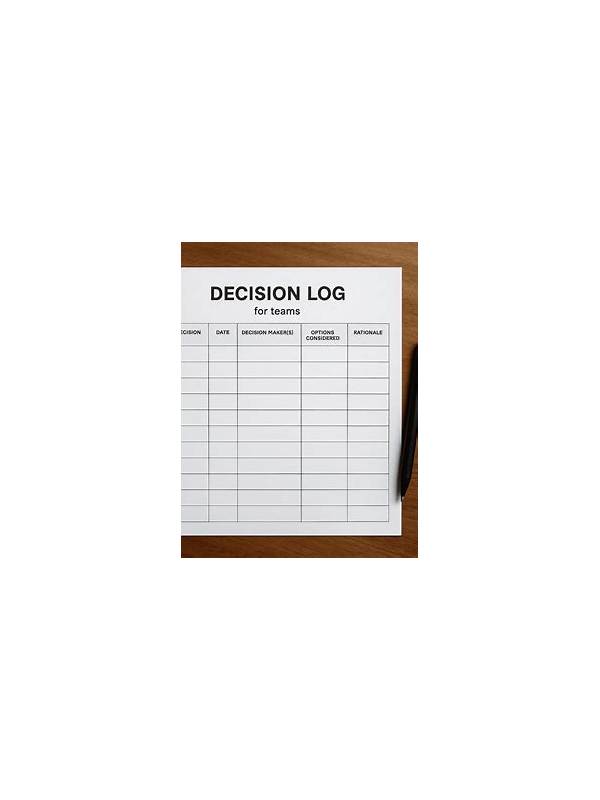
A decision log is a short record of why you made a move, not a transcript of every card. Four lines are enough: starting plan, key change, chosen action, and result. Writing this compactly after a hand helps you improve without drowning in details.
For the starting plan, describe your strongest route in plain language. Say “two connected sequence ideas and one possible set,” not “I will definitely make a set.” This wording keeps the plan flexible and makes later comparisons fair. Record what made the route attractive: a near connection, a confirmed group, or several useful alternatives.
The key change is the moment the hand stopped matching your first idea. It might be a draw that opens a better route, a visible discard that removes an option, or the realization that two groups require the same missing card. If no major change occurred, write “no decisive change.” That is still useful information.
The chosen action should name the decision and its reason. For example, “discarded the isolated high card to reduce risk” or “kept the flexible bridge for one more turn.” Avoid describing the move only as lucky or unlucky. You are studying the quality of the decision using the information available at that time.
The result is what happened next, stated without blame. Did the route complete? Did the hand become easier to sort? Did the discarded card later appear? A result can be disappointing while the decision was sensible. Separating these ideas is the main benefit of the log.
Review several logs together instead of judging one hand. Look for repeated habits: holding a weak pair past its deadline, changing plans after every draw, or ignoring the cost of a high card. Choose one habit for your next practice session. Keep the log private and free of sensitive account or payment information. Its purpose is learning, not proving anything to another player.
Keep the vocabulary consistent across sessions. Use “route” for a possible arrangement, “need” for a missing card or condition, and “cost” for the risk of keeping a card. Consistent words make patterns easier to spot when you review several logs. If a hand ends before you can write everything, record the starting plan and the single most important change. A partial log is still better than a detailed account written from memory much later, when the result may distort your recollection.
You can add a confidence label to the decision: clear, reasonable, or uncertain. This is not a score for the result. It records how much evidence you had at the time and helps you choose better examples for later practice.


