
Rummy Comparison: Manual Sorting and Automatic Card Layouts
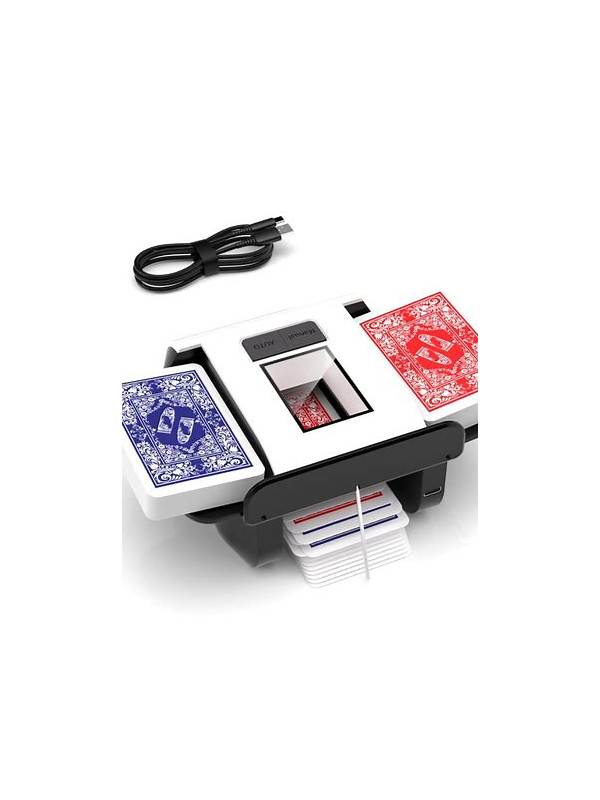
Digital rummy tables often offer automatic sorting by suit, rank, or group. This can make a crowded hand easier to read, especially on a small screen. Manual sorting has a different benefit: it forces you to inspect connections and notice which cards are truly doing work. The best choice depends on your purpose and the stage of the hand.
Automatic sorting is useful when the interface is busy or when time is limited. Grouping by suit makes sequence gaps visible, while grouping by rank can reveal possible sets. It also reduces the mechanical effort of rearranging cards after every draw. However, an automatic order is only a display. It cannot decide which route is legal, flexible, or safe, and a neat row can create false confidence.
Manual sorting is valuable during practice and review. Move cards into tentative groups, leave uncertain cards apart, and compare alternative arrangements. The physical act of testing a card in more than one location can reveal overlap that a fixed sort hides. Manual work may be slower, but it develops a clearer internal picture of the hand.
A hybrid routine is practical. Use automatic sorting immediately after a draw to gain orientation. Then manually separate confirmed groups from speculative routes and identify the weakest loose card. Before a declaration, use the layout that makes every group easy to verify under the current rules. Speed should support checking, not replace it.
Also consider accessibility and comfort. If automatic sorting makes cards easier to distinguish, keep it enabled. If the layout causes you to overlook alternative groups, switch views during a practice session and learn what each arrangement hides. Tools should reduce friction while the final decision remains an informed human judgment. Layout choice can also affect review quality. When studying a completed hand, try both views and ask which one would have made the key mistake easier to see. A suit view may reveal a missed connection, while a rank view may reveal that you overvalued a pair. Do not judge the tool only by how fast it looks. Judge whether it helps you explain why a card belongs in a group and why another card should leave. Clear explanations are a useful test of clear thinking. Choose the view that makes checking easier, not merely the view that looks fastest. During fast play, automatic sorting may be convenient; during learning, manual sorting may reveal assumptions you would otherwise miss. Switching intentionally is more useful than treating either option as universally best.


