Rummy Comparison: Reactive Play and Planned Play
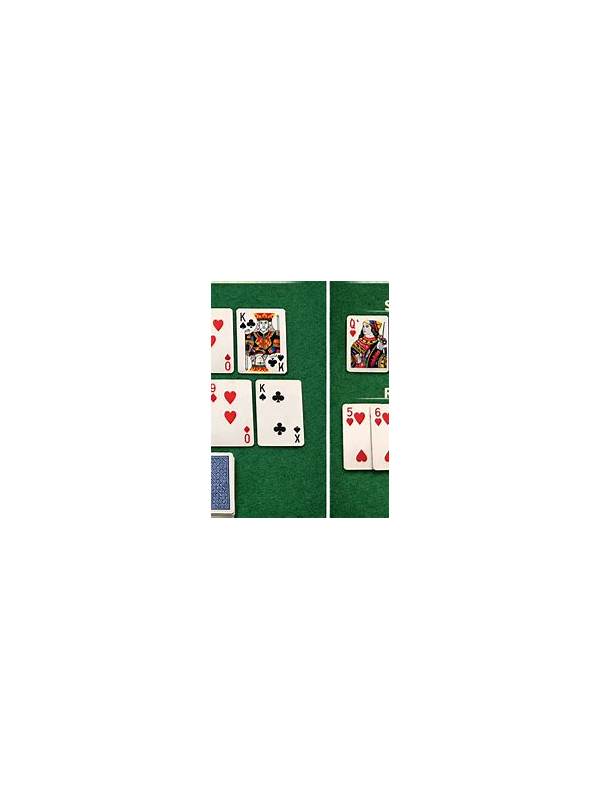
Planned play means starting a turn with a reason for the draw and a likely discard. Reactive play means changing direction when the hand or table provides new information. Strong decisions use both modes rather than treating one as universally superior.
A plan reduces noise. It tells you which cards support the main route, which cards are backups, and when to reassess. Without a plan, every new card can appear equally exciting. That often creates scattered pairs and repeated changes with no progress toward legality.
Reaction is necessary when a draw changes the structure. A card that completes a pure sequence may deserve priority over an earlier set idea. A visible discard may also reduce the value of a route. The key is to explain the change using current information rather than emotion or frustration.
Compare the two approaches by asking whether the decision improves the hand’s options. A planned discard that ignores a newly completed route is too rigid. A reactive discard with no replacement idea is too loose. The best turn keeps a short plan and a clear trigger for changing it.
At the end of a session, note one useful plan and one unnecessary reaction. This review will show whether you are changing routes because evidence changed or because the previous route became uncomfortable. Small corrections build consistency over time.