Rummy Guide: The Three-Layer Snapshot for Interrupted Hands
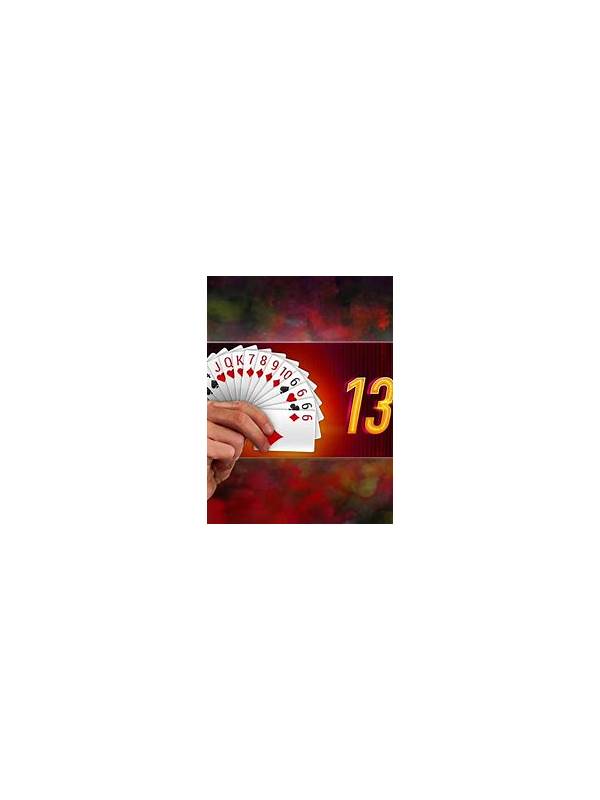
An interruption can make a familiar rummy hand look strangely difficult. A message, a weak connection, or a short break may separate your last decision from the next one. When you return, the most useful first step is not to draw immediately. Rebuild a small, accurate snapshot of the hand.
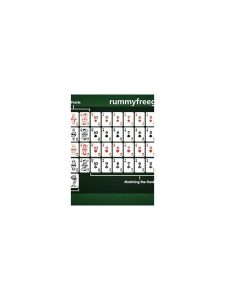
The first layer is structure. Sort the cards in the same order you normally use, then identify completed groups, promising groups, and unassigned cards. Do not decide whether a group is good merely because it contains three cards. Check that the cards satisfy the variant’s rules and that no card is being counted in two places. This layer answers: what do I actually have?
The second layer is change. Look at what happened since the hand began. Which cards were drawn, which were discarded, and which group changed most recently? A recent change deserves attention because it may have created a better route or made an old plan obsolete. If the app displays the open pile, inspect the visible sequence of discards without inventing motives for other players. Record facts such as “a middle card appeared” rather than “the next player is collecting this suit.”
The third layer is choice. List two or three legal next actions before choosing one: take from the available source, keep the current arrangement, or release a candidate card. For each action, name its immediate purpose. One may complete a group, another may preserve flexibility, and a third may lower point exposure. If an action has no clear purpose, it is probably a reaction to the interruption rather than a considered move.
Use the snapshot in under a minute during practice. Say the three layers quietly: structure, change, choice. On a small screen, make the structure layer visual by leaving a gap between confirmed and uncertain groups. After the turn, note whether the snapshot corrected a mistake or simply restored confidence. The goal is not to remember every card seen. It is to recover enough reliable information to make the next decision normally.
This method also helps after a disconnect. If the interface changes or a timer is already running, verify the rules and hand state first, then take the simplest legal action that fits your stated purpose. A short, repeatable reconstruction is safer than guessing what you intended before the interruption.
If the interruption happened near a declaration, perform the same snapshot before pressing confirm. Check every group independently and make sure the total cards are accounted for. This final pause is not a second strategy session; it is a state check. It protects against arranging cards correctly in your head while overlooking a rule detail or an accidental duplicate use.