Rummy How-To: Build a Practice Deck With Delayed Reveals
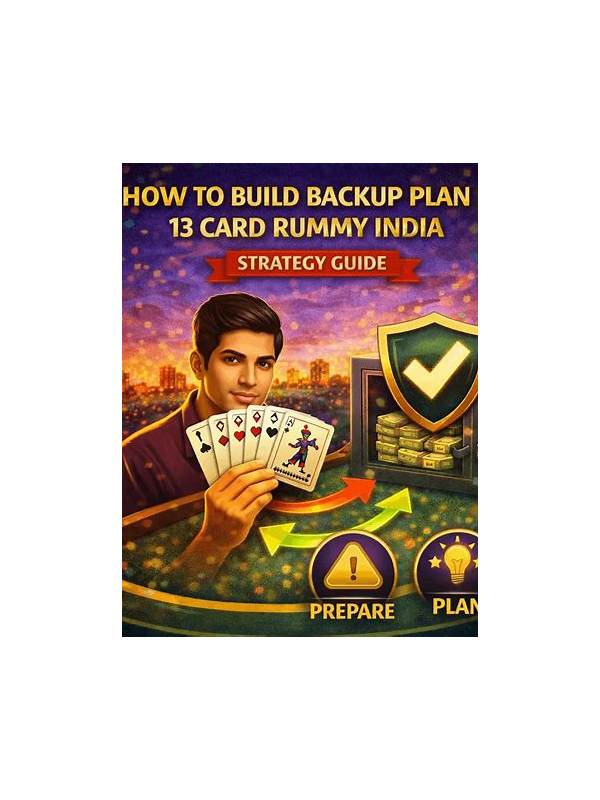
A practice drill can become too easy when every card and every future option is visible from the start. A delayed-reveal deck creates a more realistic decision rhythm without requiring a live table. It is useful for learning how to revise a plan rather than trying to predict the entire hand.
Start with a standard deck and choose the rummy variant you want to study. Remove cards only if that variant requires a smaller pack, and write down the rules before dealing. Deal a practice hand, but keep several cards face down in a separate envelope or stack. These hidden cards represent future draws. The purpose is not to imitate an exact platform; it is to create a controlled exercise.
Sort the visible hand and state one primary plan and one backup plan. Do not name an exact card you expect to receive. Instead, describe the shape: perhaps a short sequence needs one link, while a separate pair could become a set. Choose a discard using the information currently available, then reveal one future card. Add it to the hand, remove a card, and record whether the new card helped the primary plan, the backup plan, or neither.
Repeat for four or five turns. Between turns, avoid looking through the remaining hidden stack. If you accidentally reveal several cards, restart the exercise; hidden information is what makes the drill useful. At the end, compare your written predictions with the actual draws. A good result is not a completed hand. You are looking for whether your decisions stayed reasonable when the first plan lost support.
Vary one condition at a time. In one round, allow yourself only thirty seconds to sort. In another, require a discard that leaves two possible routes. A third round can focus on the open pile by placing discarded cards face up and letting you choose whether the visible option is worth taking under the rules. Keep the exercise free of money and stop if it starts to feel rushed or frustrating.
Review the drill with three questions: Did I mistake a pair for a plan? Did I keep a card only because I hoped for one exact draw? Did my backup route remain legal after the discard? These questions turn a small deck exercise into a repeatable learning routine. Over time, delayed reveals build comfort with uncertainty while preserving the habit of checking the current hand first.