Rummy How-To: Build a Legal Sequence Inventory
Why make an inventory?
Players often arrange cards by visual similarity and assume the hand is progressing. A legal sequence inventory adds a stricter question: which groups already satisfy the format’s sequence rules, and which are only possibilities? This distinction is especially important when a declaration requires a pure sequence or other specific structure.
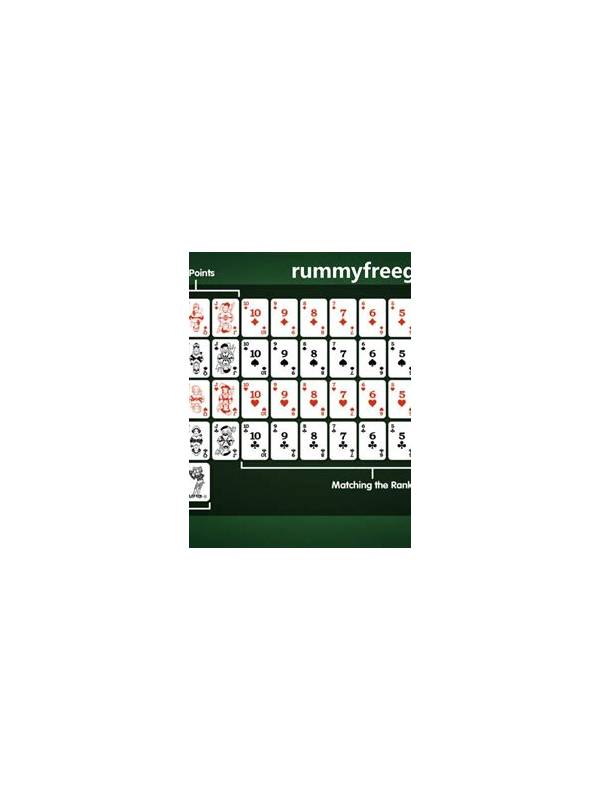
Use the inventory as a snapshot, not as a record of every imaginable combination. Start by checking the table’s rules. Then write each confirmed sequence on one line, including its suit and rank order. A group such as five, six, and seven of the same suit is a clear run. A five and seven with a missing six is not a sequence yet, even if it feels close.
Add three labels
Label the first category “legal now.” These are groups that meet the relevant rule without relying on a wild card or an unconfirmed replacement. The second category is “legal with one known need.” It contains groups that need one specific card or a clearly defined adjustment. The third is “idea only.” These are pairs, scattered ranks, or flexible cards that might support several routes but do not yet form a legal group.
After labeling, count how much space each category consumes. A hand with several idea-only cards may look busy while still lacking a dependable route. A hand with one legal sequence and a compact second plan may be stronger than a hand with many loose connections. Inventory exposes that difference.
Update after each draw
When a new card arrives, place it in the inventory before deciding what to discard. Ask whether it upgrades an idea to a defined route, extends a legal sequence, or merely creates another possibility. If it does none of these, it may be a candidate for release.
Before a final declaration, perform the inventory in reverse. Confirm each group independently, check that no card is used in two groups, and verify the required pure or natural structure. Do not let a tidy layout replace this check.
The inventory works because it turns a vague feeling of progress into visible evidence. It does not tell you which card will arrive, but it makes the next decision more honest: protect confirmed legality first, test defined routes second, and treat attractive ideas as temporary until they earn a place.
Keep the inventory readable under normal time pressure. Short labels and suit symbols are enough; a detailed spreadsheet is better saved for a post-hand review. If you play on a digital table, use the layout controls that make groups clear, but do not assume the app’s arrangement confirms legality. The player remains responsible for checking the actual rule and the exact cards included in each group.