Rummy Safety: Protect a Session from Notification Pressure
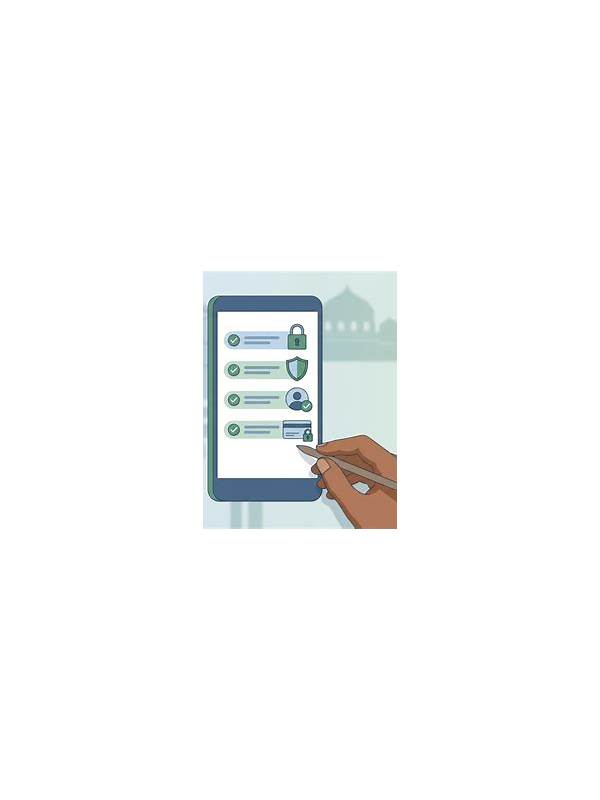
Notifications can change the feel of a rummy session even when they have nothing to do with the table. A message, sale alert, or social update can create urgency and split attention. The result may be a rushed discard, a missed rule detail, or a decision made before you have checked your hand. A few preparation steps can reduce that pressure.
Before starting, review which alerts are genuinely necessary. Use a focus or do-not-disturb mode when appropriate, while keeping any safety or family contact method you need. Silence banners and sounds that do not require an immediate response. If you are playing on a shared device, check that the setting does not expose private information or interfere with an important obligation.
Set a visible session boundary. Decide how long you will play and when you will check messages. This is useful because a notification often feels urgent simply because it interrupts an undefined period. A planned check time gives you a clear alternative: finish the current hand, take the break, and review the alert away from the table.
If an alert arrives during a decision, pause rather than multitask. Confirm whether the message is truly urgent. If it is not, close it and return to the hand from the beginning of your normal checklist. Recheck the current groups, the discard choice, and the possible penalty. The few seconds spent restarting your attention are cheaper than relying on a half-remembered position.
Do not use notifications as a reason to extend a session. Promotional messages, streak reminders, and “one more table” prompts are designed to create momentum, not to assess whether you are rested or within your limit. Keep spending and time rules outside the influence of the device. If the interruption leaves you tense or distracted, ending the session is a valid safety decision.
Afterward, note whether the alerts affected your focus. You may need a stronger setting, a different device position, or a shorter session window. Good digital habits protect the quality of your choices and make it easier to keep recreational play separate from communication, work, and personal responsibilities. n+Remember that attention is a limited resource. If you are expecting an important call, traveling, caring for someone, or handling work, postponing play may be safer than trying to manage interruptions. No setting can remove every distraction. The useful safety choice is sometimes to wait until you can give the hand appropriate attention, then return to ordinary device use after the session ends.