Rummy Multitasking Warning Signs: When Your Attention Is Too Divided
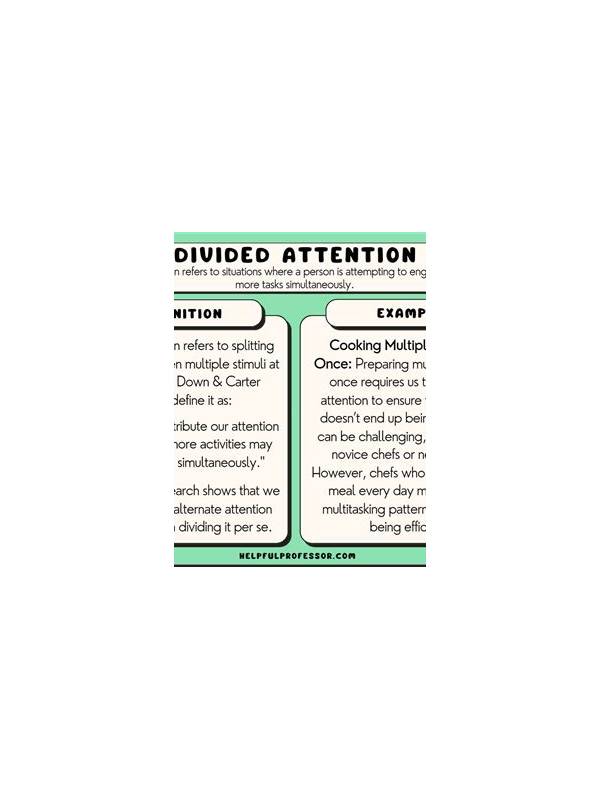
Rummy requires more attention than simply noticing the next card. You need to remember useful discards, track your own groups, read changing options, and act within a time limit. Multitasking can quietly reduce this attention until a hand feels confusing even though the rules are familiar.
The first warning sign is repeated re-reading. If you keep checking the same cards because the arrangement will not stay in your memory, an outside task may be using too much focus. Another sign is clicking the draw or discard control before you have decided what the card means. Speed becomes a substitute for thought, and the hand begins to follow the interface rather than your plan.
Notifications create a different problem. A message, video, or conversation can make you miss a discard, a timer warning, or a change in the opponent’s behavior. Even a short interruption can cause you to return with an outdated picture of the table. Turn off nonessential alerts before play, and keep the device in a setting where you can see the hand clearly.
Use a simple attention check between turns. Can you state your current goal in one sentence? Can you name the card you are most willing to discard? Can you explain what would cause you to abandon the plan? If you cannot answer without guessing, do not make a hurried move. Look over the hand again, and if the interruption is likely to continue, leave when the current format permits it or stop after the hand.
Physical signals matter too. Eye strain, tense shoulders, and unusually fast tapping often appear before an obvious mistake. Reduce screen brightness to a comfortable level, sit back, and take a short pause. Do not use stimulants or longer sessions to force concentration; fatigue usually makes risk assessment worse.
Responsible play includes choosing conditions that support clear decisions. A quiet room, a stable connection, and one task at a time may improve the quality of your thinking more than a new strategy tip. If your attention is divided, the most skillful move can be to end the session. The table will still be available when you can return with enough focus to make deliberate choices. Rummy requires more attention than simply noticing the next card. You need to remember useful discards, track your own groups, read changing options, and act within a time limit. Multitasking can quietly reduce this attention until a hand feels confusing even though the rules are familiar.
If you cannot summarize your plan, pause before touching a control.