Rummy Hand Notes: Build a Compact Record You Can Actually Use
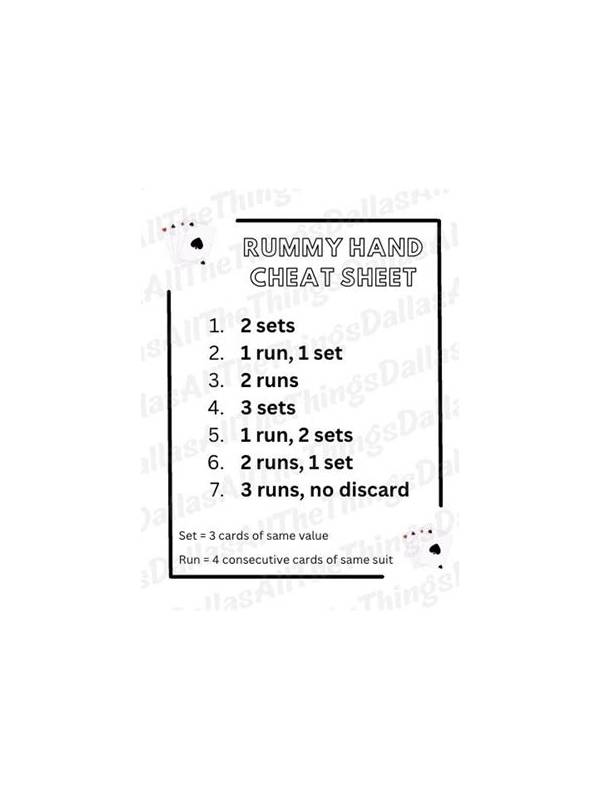
Notes can improve rummy learning, but a page full of symbols is not useful if it distracts you from the current hand. The best record is short enough to complete between hands and specific enough to reveal a decision pattern. Focus on choices, not on trying to preserve every card that appeared.
Use one line for each hand with four fields: format, opening idea, turning point, and lesson. The format identifies the context because a choice in a fast points hand may not fit a longer pool match. The opening idea describes your first structure, such as building around a confirmed sequence. The turning point records the draw, discard, or opponent action that changed your plan.
For the lesson, write a behavior rather than a verdict. “I waited too long for one suit connector” is useful. “I was unlucky” is not something you can test. If the hand was played well despite a loss, record that too. A correct decision that produced an unfavorable outcome is evidence that the process may be sound.
Avoid taking detailed notes while the timer is active. If a hand moves quickly, wait until it ends. During play, use only a tiny mental reminder such as “protect pure sequence” or “release high card.” Your primary responsibility is to make the current move safely, not to create a perfect research record.
Review notes in small batches. After three to five hands, look for repeated behaviors: holding expensive isolated cards, ignoring the discard pile, changing plans too often, or declaring without a final verification. Select one pattern for the next session. When the pattern disappears, replace it with another target rather than adding a long list of rules.
Keep privacy in mind. Do not record usernames, payment information, private chat, or anything unnecessary to understand your own decisions. Store notes where other people cannot easily access them, especially if you use a shared device. The purpose is personal learning and self-control.
Good notes are a feedback loop. They make uncertainty visible, separate luck from process, and give you one practical adjustment for next time. A modest record kept consistently is more valuable than an elaborate journal abandoned after a single frustrating session. Notes can improve rummy learning, but a page full of symbols is not useful if it distracts you from the current hand. The best record is short enough to complete between hands and specific enough to reveal a decision pattern. Focus on choices, not on trying to preserve every card that appeared.
Use the same labels each time so patterns remain easy to compare.