Rummy How-To: Check a Hand Before the Final Draw
The final draw often feels like a rescue opportunity, but it is better used as a verification point. Before taking it, inspect what the hand actually needs and whether one draw can solve the problem. This prevents a player from chasing a card that cannot create a legal finish.
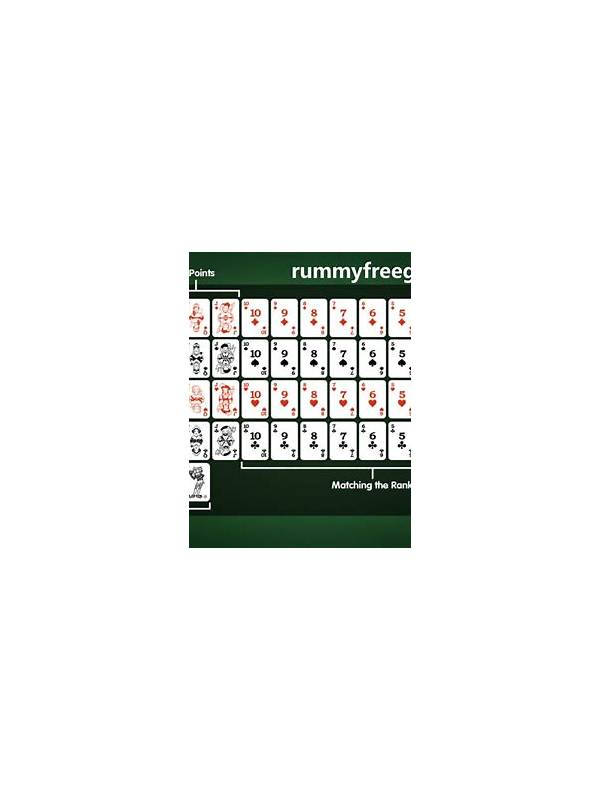
Separate complete groups from unfinished groups. Mark any pure sequence, any sequence using a wild card, and any same-rank group. Then identify the exact missing cards. If several groups each need a different card, a single final draw cannot fix all of them. Choose the route that leaves the fewest loose points and satisfies the format requirement.
Check whether a rearrangement solves the issue without a new card. A connector may be assigned to one group when it belongs more effectively to another. A wild card may complete one sequence while freeing a natural card for a group. Test legal arrangements carefully rather than relying on the first visual pattern.
The discard choice before the final draw matters. Release the card that cannot be part of the best legal arrangement, but keep the card that protects the required pure sequence. If the visible discard completes your route, compare it with a blind draw and consider whether taking it exposes too much information or helps another player.
Do not let another player’s pace replace your checklist. A rushed declaration can turn a promising hand into an invalid one. Count the cards again, confirm the rules, and read any declaration prompt. If the platform shows a validation message, treat it as information and correct the hand rather than repeatedly submitting.
After the hand ends, record whether the final draw was realistically useful. This helps distinguish a good plan from a desperate hope. Use free puzzles to practice endgame arrangements, and keep paid activity within a fixed budget and time boundary.
The final draw is one moment in a longer process. A clear pre-draw check makes it easier to accept uncertainty and choose the most defensible route available. n+The check also protects against overvaluing the final draw. If the hand needs two different cards, the last draw is not a complete solution. Prefer a structure that is already legal or nearly legal, even if it produces a less exciting finish. Reliable verification is more useful than a dramatic rescue attempt. n+Use this comparison only to improve the next decision. The hand is information, not a verdict, and responsible limits remain part of every useful practice routine.