Rummy Tips: Use an Evidence Ladder for Discard Choices
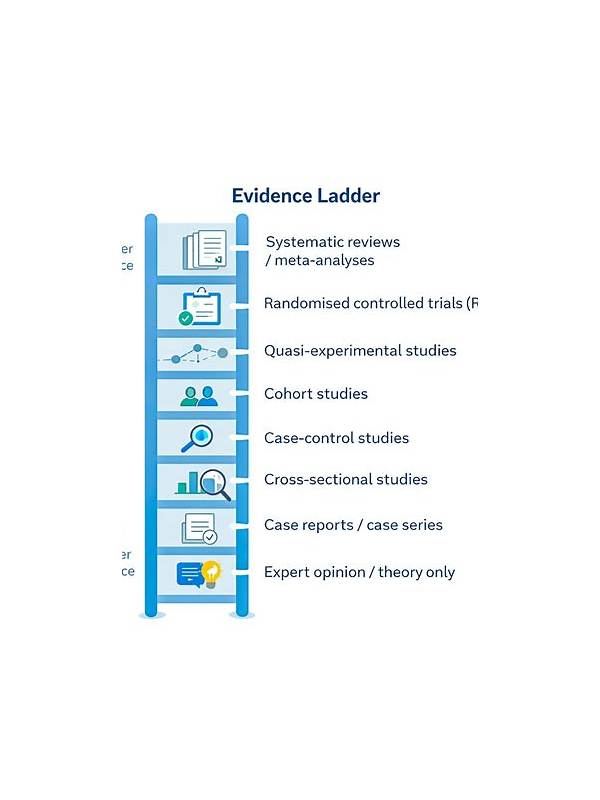
A discard decision can feel complicated because several thoughts arrive at once: card value, possible sequences, opponent behavior, and the next draw. An evidence ladder organizes those thoughts from strongest to weakest. It helps you act on facts before spending attention on speculation.
Level one is your own hand structure. A card that completes no realistic route and carries a large penalty is usually worth examining first. Level two is the current table state: visible discards, known wild cards, the number of cards left, and the rules of the format. These facts can change the value of your candidates.
Level three is repeated behavior. If an opponent has consistently ignored a suit or taken related ranks, that pattern may offer a clue. It is still not proof. Level four is a single action, such as one discard or one hesitation. Use it lightly. Level five is imagination: what an opponent might secretly hold or what the next card might be. Imagination can help generate options, but it should not outweigh your own concrete needs.
To use the ladder, list two or three candidate discards. For each one, name the strongest evidence against keeping it and the strongest reason to protect it. If the reason is mostly a guess, mark it as weak. If the card is part of your only path to a required sequence, that is strong evidence for keeping it even if the card has a high face value.
The ladder also prevents false certainty after the result. A discard that loses a hand was not automatically a bad decision, and a lucky draw does not prove a plan was sound. Review which evidence was available at the time, not only what became visible later.
Keep the process brief. A practical ladder is a filter, not a spreadsheet. Notice your structure, check the table, then weigh patterns and possibilities. When two choices remain close, favor the one that preserves more routes and keeps the session within your predetermined limits.
The ladder is especially useful after an emotional turn. A surprising discard can make weak evidence feel important. Return to your own hand first, then inspect visible facts. If you cannot explain a choice without saying “probably” several times, treat it as uncertain and avoid increasing risk. Over repeated hands, this habit identifies which decisions were supported by evidence and which were experiments.
The same ladder can be used for a draw decision. Start with the cards your route needs, then consider public availability, repeated patterns, and only afterward a guess about the next card.
Use the strongest evidence first even when the weaker evidence is more exciting. A quiet improvement in your own structure usually matters more than a dramatic theory about an opponent.