Rummy FAQ: What Is a Dead Card in Your Hand?
A dead card is a card that currently contributes little to any realistic group in your hand. It may be isolated, duplicated by a stronger option, or tied to a plan that has become unlikely. Dead does not mean permanently useless; a later draw can change its value. The term is a decision aid for the present turn, not a prediction about the whole deal.
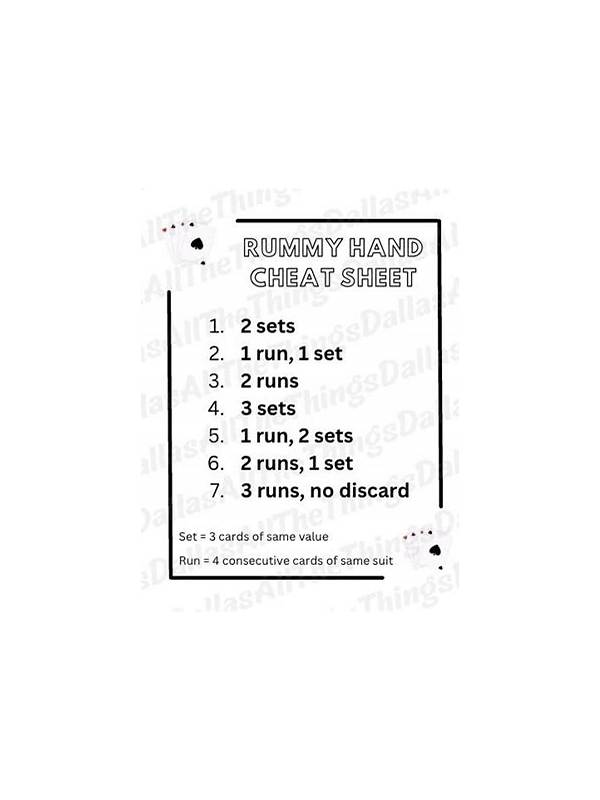
To identify one, inspect the card against both common group types. Can it join a same-suit run with cards you hold or reasonably expect? Can it help a rank-based set? If neither answer is convincing, compare it with the other isolated cards. A high-point card with no connection often deserves priority for removal, but a low card can also be dead when it blocks more flexible choices.
A card may look dead because you have not sorted the hand properly. Check neighboring ranks and matching suits before discarding. Also check whether a joker or wild card changes the group calculation under the table rules. The correct interpretation depends on the format, so read the specific room rules instead of assuming every app handles wild cards identically.
Dead-card analysis should include risk. A card that seems useless to you may be useful to an opponent if discarded openly. If you have evidence that a suit or rank is being collected, consider whether another weak card gives away less information. This does not mean holding every dangerous discard; it means adding table information to the value calculation.
Finally, avoid using “dead” as an excuse to discard without a plan. After removing the card, decide what structure you want to improve next. A good discard reduces points, protects information, or clears space for a coherent group. If it does none of these things, revisit the hand and look for a different candidate.
The idea is especially useful when your hand contains several low cards. Players sometimes assume low cards are automatically safe because they carry fewer points. Yet an unconnected low card still uses a slot and may be less useful than a middle card that can join multiple runs. Review dead-card status after every meaningful draw, and allow a card to become valuable again when new neighbors appear. This keeps the label flexible and accurate. You can use a small mark or color in practice mode to identify dead cards, but avoid relying on marks during a timed game if they distract you. The goal is a mental habit: compare each card with the groups you can actually build. When the comparison becomes automatic, you will spend less time defending attractive but unsupported cards.