Rummy Opening Scan: Sort Your Hand Before Choosing a Plan
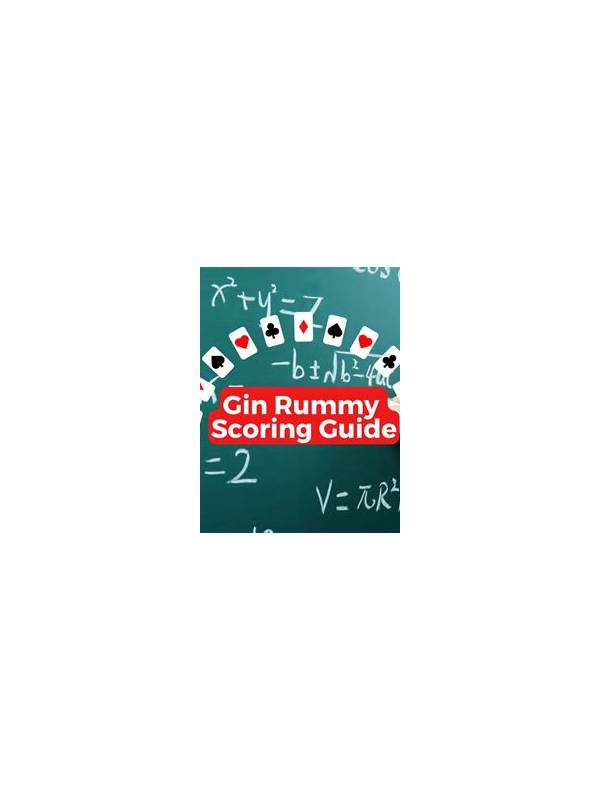
The first few turns of a rummy hand can feel urgent because every card seems to suggest a different plan. A better approach is to pause briefly and scan the hand before deciding what to chase. This does not mean studying every possible combination. It means identifying the strongest structure, the expensive loose cards, and the alternatives that can survive a poor draw.
Begin by separating cards into three groups: cards already connected, cards that could connect in more than one direction, and cards with no obvious partner. A connected group might be a small run or a repeated rank. A flexible card is often close to two possible runs. A loose card has little support and may become an early discard. Physically arranging the hand this way reduces the chance that a visually attractive pair will dominate your thinking.
Next, check whether the hand has a realistic path to the required sequences. In many Indian rummy formats, a pure sequence is essential, so do not treat a promising set as a substitute for one. Mark the cards that could help build that legal foundation. Then ask how many draws are needed. A two-card gap is a project; a one-card gap is a possibility, not a guarantee.
Use the discard pile as information, not as a command. A visible card may complete your plan, but taking it also reveals something about your needs. Before picking it up, compare that information cost with the improvement it gives. If the card only creates a weak pair, leave it and keep your options wider.
Finally, choose a temporary plan for the next two turns. The plan might be to protect a flexible middle card, seek a pure sequence, or release a high-value singleton. Reassess after each draw. An opening scan is useful because it creates a starting hypothesis, not because it predicts the whole hand. Calmly updating that hypothesis helps you avoid forcing the first idea that appeared.
Keep the scan practical by limiting the time spent on it. A long analysis can become another form of indecision. If the hand is difficult, choose the safest temporary objective, make the lowest-risk discard, and gather another piece of evidence. The scan is meant to improve attention at the start, not to create a perfect forecast.
After the hand, note whether your opening hypothesis changed and why. This turns a vague feeling about a bad start into a useful observation. You may learn that you overlook pure-sequence needs, protect attractive pairs too long, or fail to notice how much information the discard pile provides. A short review makes the next opening scan more accurate.