Rummy FAQ: Why Is a Legal Hand Not Always a Good Hand?
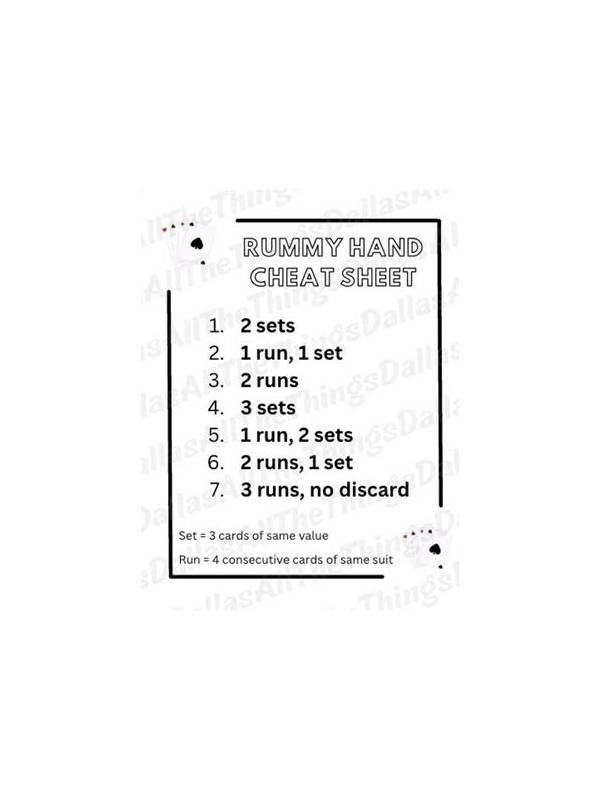
A legal hand is one that meets the game’s stated requirements, but legality and quality are different measurements. Understanding the difference helps you review decisions honestly and avoid treating every valid declaration as proof of excellent play.
Legality is a threshold. It asks whether the required sequences, sets, and other conditions are present. Once the threshold is met, the hand can be declared under the rules. Quality is comparative. It asks whether you reached that threshold with a sensible use of draws, low unnecessary exposure, and a plan that matched the information available.
Consider a player who holds several high cards while chasing one exact connector. The needed card arrives on the last possible turn, and the resulting hand is legal. The declaration succeeds, but the route may still have carried avoidable penalty risk. A different plan could have created a valid hand earlier or left fewer dangerous cards if the draw failed.
The reverse can happen too. A player may make a careful discard, keep a flexible route, and lose because the required card never appears. That decision can be good even though the final hand is not legal. Results describe what happened; decision quality evaluates whether the choice was reasonable before the outcome was known.
Review four dimensions after a hand. Did you identify the required structure early? Did you abandon weak routes when evidence changed? Did you control the value of ungrouped cards? Did you use the timer and available information without guessing? A legal declaration that scores well on these dimensions is a strong hand. One that does not is a useful warning.
This distinction also improves learning from wins. Instead of copying the exact sequence of lucky draws, identify the underlying principle that made the route robust. Perhaps you kept two independent ways to complete a sequence, or perhaps you reduced high-card exposure before taking a speculative draw. Those are repeatable lessons.
Aim for legal hands produced by disciplined decisions. You cannot control every draw, but you can control whether the path to a declaration was clear, proportionate, and adaptable. That is the difference between celebrating a result and building a dependable skill.
This perspective is useful when comparing yourself with another player. A faster declaration may reflect better timing, but it may also reflect a favorable draw. Ask what each player knew before the decisive card arrived. That question keeps the review focused on choices that can actually be improved.