Rummy How-To: Create a Neutral Vocabulary for Hand Reviews
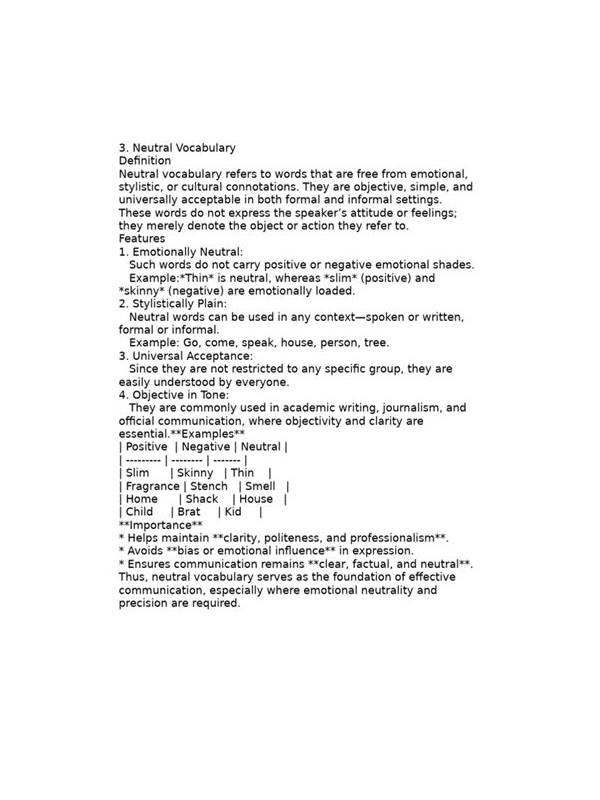
The language used after a hand affects what you learn from it. Words such as foolish, lucky, brilliant, or obvious compress a complicated decision into a judgment. A neutral vocabulary keeps the focus on evidence, timing, and alternatives, which makes improvement more practical.
Begin with structure words. Use “confirmed” for a complete legal group, “near” for a group with a realistic missing card, “bridge” for a card that supports more than one route, and “isolate” for a card without a current structure. These terms describe what the hand contains without claiming what will happen next.
Use evidence words for public information. “Visible” means the card is in the discard pile or otherwise known. “Unconfirmed” means a possibility has not received support. “Narrow” means only a small number of destinations remain. “Open” means several destinations are still plausible. This vocabulary helps separate what you know from what you hope.
For timing, use “deadline,” “review point,” and “late-stage.” A deadline is the turn after which a plan should be reconsidered. A review point is when a new card or discard changes the evaluation. Late-stage describes a hand with too little time for a long experiment. These terms are more useful than saying you waited too long, because they suggest a condition to test.
Describe outcomes with process language. Instead of “I misplayed,” write “I kept a narrow plan beyond its deadline.” Instead of “the draw ruined me,” write “the draw reduced the value of the current route.” Instead of “I should have known,” write “the available evidence supported two alternatives.” This does not excuse errors; it makes the correction specific.
End each review with one adjustment framed as a test. “Next time, record destinations before the third discard” is testable. “Play more carefully” is not. Keep the adjustment small and observe whether it changes a decision over several hands. One observation is not enough to establish a pattern.
Neutral language is also useful when discussing a hand with another player. It reduces defensiveness and invites concrete comparison. Ask, “What evidence made you keep that bridge?” rather than, “Why did you make that mistake?” The conversation becomes analysis instead of a contest over who was right after the result.
A neutral vocabulary does not make reviews cold or joyless. It makes them accurate. Accuracy gives you a better chance of recognizing the habits that matter, and it leaves room to enjoy a well-chosen decision even when chance produces an unfavorable result.