Rummy How-To: Build a Legal-Structure Checkpoint
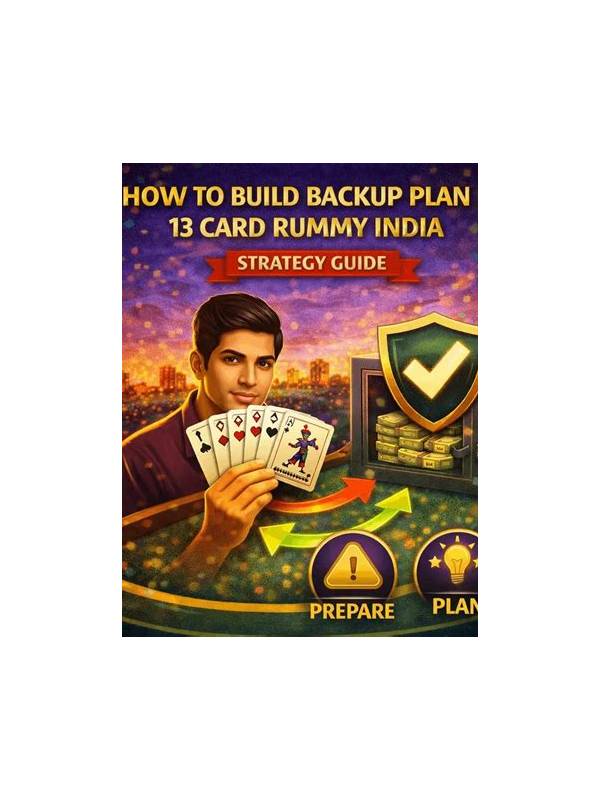
Players sometimes focus on points, speed, or visual neatness and postpone checking whether the hand can meet the format’s actual declaration requirements. A legal-structure checkpoint is a deliberate pause for that question. It is especially useful when a hand contains several sets, jokers, or partial sequences.
Begin by identifying the minimum required structures under the rules of the game you are playing. Do not rely on memory if the platform or table uses a different format. Then mark which groups are confirmed, which are provisional, and which depend on a joker or an unreceived card. A hand can look nearly complete while still missing an essential sequence.
Next test each group without borrowing cards from another group. Rearrange the hand on paper or on the screen so every card has one clear assignment. If a card is doing double duty in your mental plan, the structure is not yet confirmed. Check that any joker substitution is permitted and that the resulting group is valid under the stated rules.
After the minimum structure is present, inspect the remaining cards. A legal arrangement may still be expensive or unstable. Ask which loose card would create the largest penalty if the hand ended now, and whether a safer discard can be made without damaging the required groups. Legality is necessary, but it is not the only measure of a good position.
Repeat the checkpoint after a major draw, a group rearrangement, or a late-hand change. It need not be performed after every ordinary turn. The goal is to catch hidden structural errors early enough to repair them, not to interrupt the hand with constant administration.
Keep the language precise: “confirmed pure sequence,” “possible set,” or “joker-dependent group.” Precise labels make it easier to see what is real and what is still a plan. A legal-structure checkpoint turns declaration readiness from a feeling into something you can verify.
If the platform offers an automatic validation feature, treat it as a useful check rather than as a substitute for understanding the rules. Interfaces can display cards attractively while a required condition remains missing. Knowing what the checkpoint is testing helps you notice an error before a final action becomes irreversible. When learning a new format, write the requirements in neutral language before playing. Include the minimum sequence condition, set condition, joker treatment, and declaration step if those details apply. Rules differ across games, so a checkpoint is strongest when it is based on the current table’s instructions.