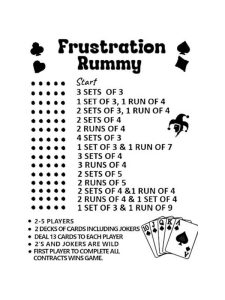
Rummy Comparison: Short-Term Melds and Long-Term Flexibility
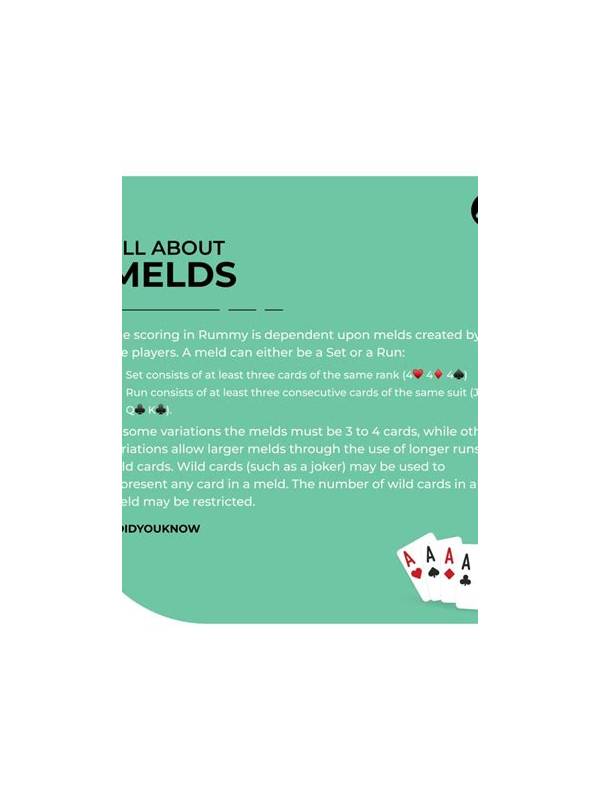
Rummy decisions often place two attractive ideas against each other. One choice completes or improves a meld immediately. The other keeps several possible sequences open but leaves the hand looking unfinished. The immediate meld feels safer because it is visible. The flexible plan may be stronger because it preserves routes. Comparing them requires looking beyond the next card.
An immediate meld has clear advantages. It reduces the number of loose cards and may lower the points exposed if the hand ends unexpectedly. It also makes the layout easier to read, which can reduce rushed decisions. If the meld is part of a valid foundation, especially a required pure sequence, completing it can be the right priority. A solid group is not merely attractive; it removes a real constraint.
Flexibility has a different value. A hand that can accept several ranks or suits may improve even when the next draw is ordinary. Keeping a middle card connected to two possible sequences, for example, can be more useful than locking it into a narrow group. Flexibility is especially valuable early in a hand, when there is time to gather evidence and change direction. It becomes less important when a declaration is close and the remaining risks are clearly understood.
To compare the choices, sketch the hand after each move. Count how many cards remain unassigned, but also note how many different draws could help. Then identify the hardest unresolved job. If the immediate meld leaves one high-value card with no realistic home, its apparent progress may be misleading. If the flexible plan keeps every card alive but fails to build any dependable group, it may be too speculative.
Information from the table can change the balance. A flexible route that depends on cards already visible in the discard pile is less flexible than it first appears. An immediate meld that uses a card an opponent is likely waiting for may carry a different risk. These clues should adjust the comparison, not replace it. Your own hand remains the first source of evidence.
Use immediate melds when they remove a major requirement or protect a weak hand. Preserve flexibility when the alternatives are genuinely broad and the table has not supplied enough information to choose a narrow route. The best decision is often a hybrid: secure one reliable group while leaving one separate area open for development. That approach turns flexibility into a tool rather than an excuse to avoid committing.