Rummy Tips: Ask What Your Discard Reveals
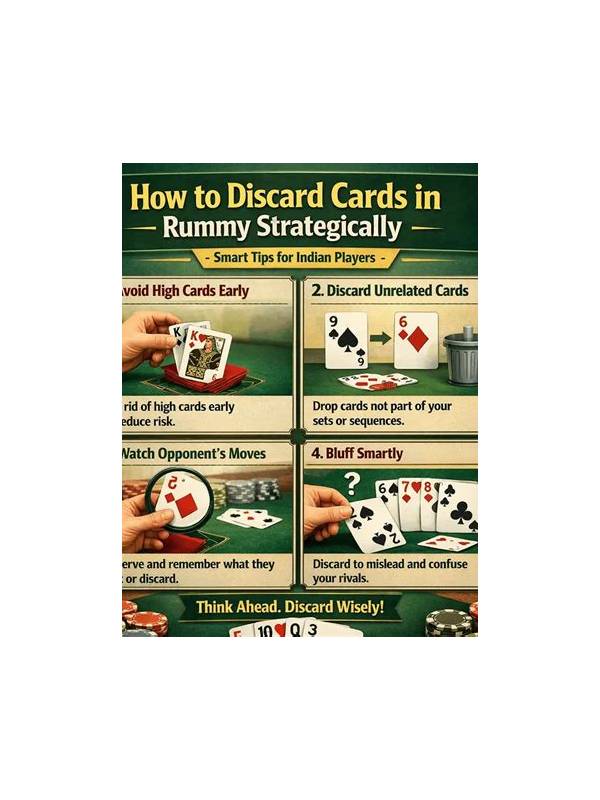
Every discard communicates something, even when the message is incomplete. It may suggest that a rank, suit, or group is less useful to you. Thinking about this information can improve your choices, but it should not become an invitation to invent elaborate stories about other players. Use disclosure as one factor alongside your own hand quality.
Before discarding, identify the simplest message an opponent might reasonably infer. Releasing a card beside a visible sequence may suggest you are not pursuing that suit, while discarding a duplicate may suggest your set plan changed. The message is not certain because opponents do not know your hidden cards or alternatives. Its value comes from recognizing what is made more plausible.
Now ask whether the information cost matters. If the card is already weak for your hand, there may be no reason to keep it merely to appear unpredictable. If the discard is a flexible connector that would reveal a major route, compare that disclosure with the cost of holding it. Information control is useful only when it supports a better hand decision.
Avoid dramatic bluffing unless the rules and setting make it appropriate. Quiet consistency is usually more valuable than trying to make every discard misleading. Watch how opponents respond, but do not assume their next draw or discard confirms your theory. Public actions are clues, not transcripts of private plans.
The best question is: “What does this discard reveal, and is that reveal worth the improvement I gain?” Asking it takes only a moment. Over time, it helps you balance hand development with table awareness while keeping your reasoning grounded in observable evidence. Information disclosure should never outweigh a clearly better hand decision without a reason. If a card is weak and the alternatives are worse, release it even if the move reveals a limited clue. If two choices develop the hand equally, the less informative discard may be preferable. Keep the message simple and avoid trying to manipulate every opponent. Consistent decisions are harder to misread and easier to review. After the round, ask whether the revealed information actually mattered. If not, you may have spent attention protecting a story that had little strategic value. The purpose is awareness of disclosure, not a contest to make every move mysterious. A clear reason for a discard is more valuable than an elaborate attempt at misdirection. Keep the decision grounded in evidence. Information is useful when it improves the hand, not when it decorates a theory.