Rummy Hand Symmetry: A Simple Way to See Hidden Structure
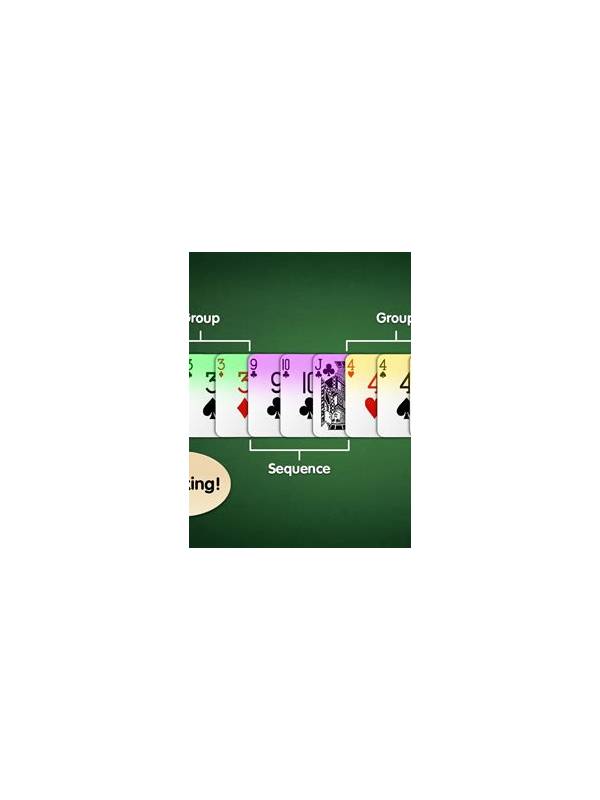
Many rummy hands look chaotic because cards are first seen as individual objects. A useful reset is to look for symmetry: two or more cards that play similar roles, two possible routes that share a connector, or a balance between completed groups and unfinished ideas. This does not mean forcing the hand into a pattern. It means using a visual comparison to decide which parts deserve attention.
Start by arranging cards by suit and rank. Mark completed sequences, possible sequences, sets, and cards that have no current connection. Then compare the unfinished groups. A pair such as 6 and 7 of the same suit has a short path to a run, while a lone queen may need two specific cards. The comparison makes the difference visible without pretending that either route is guaranteed.
Next, examine shared cards. A middle card may fit two neighboring possibilities, but using it in one group can destroy the other. Write the alternatives mentally: “If I keep this card for the run, what remains for the set?” The best route is often the one that preserves another reasonable arrangement, not simply the one that looks closest right now.
Symmetry also helps with discards. If two loose cards have similar point values, compare their future connections and their penalty if retained. A high card with no route is usually a stronger discard candidate than a lower card that completes a useful pair. Avoid treating visual neatness as proof; an attractive arrangement can still depend on an unlikely draw.
Use this method for one minute at the beginning of a hand and again after a major draw. Record one sentence about what changed. Over time, you will learn to recognize whether a hand is balanced, crowded around one narrow route, or already supported by a stable group. The goal is not perfect prediction. It is a clearer view of the choices available now. Use this method for one minute at the beginning of a hand and again after a major draw. Record one sentence about what changed. Over time, you will learn to recognize whether a hand is balanced, crowded around one narrow route, or already supported by a stable group. The goal is not perfect prediction. It is a clearer view of the choices available now.
For example, imagine a hand with a completed low sequence, a 5-6 of another suit, a pair of queens, and several unrelated cards. Symmetry shows two unfinished shapes, but they are not equal: the run needs one neighbor, while the set needs two possible matching ranks. Keep the run as the primary route, retain only the queen if it has another credible job, and review after the next draw. This example demonstrates why comparing structures is more useful than simply counting pairs.