Rummy Guide: Use a Route Deadline for Unfinished Groups

An unfinished group can occupy attention for too long. You may keep two connected cards because a third card would complete them, then continue waiting even after the rest of the hand has changed. A route deadline is a simple agreement with yourself: a plan may remain active for a limited number of useful turns, then it must be compared with alternatives.
Start by writing the route in plain language. “This pair needs an 8 or a 10” is better than “this feels close.” Decide what counts as a useful turn. A draw that adds a second connection may justify keeping the route; a miss that leaves the same structure usually does not. The deadline can be one turn for a narrow plan or two turns for a broader plan, depending on the format and penalty pressure.
When the deadline arrives, perform a reset. Check whether the target cards are still plausible, whether a new discard has created a better route, and whether the held cards now carry an avoidable penalty. Also check whether keeping the group prevents a completed sequence from being formed elsewhere. The reset does not require abandoning the group automatically. It requires making the choice again with current information.
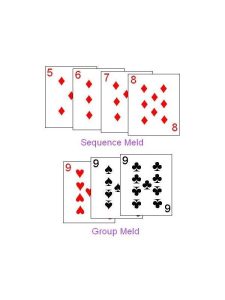
Deadlines are especially useful for pairs that can become either sets or sequences. Instead of treating the pair as sacred, list both routes and their dependencies. If one route becomes blocked and the other has no backup, release the pair when a safer discard appears. If both routes remain live, keep the pair but define the next review point.
Do not confuse a deadline with impatience. A strong route may deserve more time when it completes a high-priority requirement. A weak route may deserve less when it leaves high-point cards exposed. The habit simply prevents sunk-cost thinking. You are not discarding an idea because it failed emotionally; you are reallocating hand space after its evidence changed. For practice, write the deadline beside the route rather than trying to remember it. This makes the experiment measurable: did the plan improve before the deadline, and what did you do when it did not? The answer can reveal whether your main weakness is choosing narrow routes, failing to reassess, or fearing the cost of a clean rebuild. Each issue needs a different drill. In a practice round, say the reason for the choice in one sentence before moving on. This makes the idea testable and keeps the review anchored to evidence. If the hand changes, update the sentence instead of defending the old plan. The cards will still contain uncertainty, but the decision will have a clear basis. A short routine also works for beginners because it focuses attention on one visible trade-off at a time. After several rounds, compare the sentences and note which assumptions were consistently useful, which were too narrow, and which caused unnecessary delay. That comparison can guide a focused drill for the next session.