Rummy Safety: Create a Pause Rule for Unexpected Offers
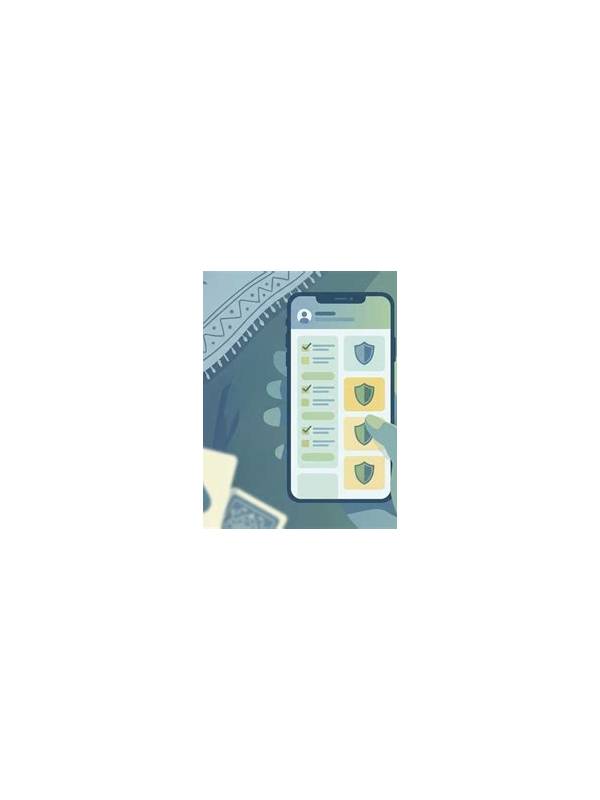
Unexpected offers can appear while you are focused on a rummy table: a bonus, a private message, a download prompt, or a request to confirm account details. Pressure and curiosity make rushed decisions more likely. A pause rule gives you a standard response before you need to evaluate the details.
Choose a simple trigger. You might pause whenever an offer asks you to leave the normal app flow, share a code, install an unrequested file, or add funds immediately. The rule should be specific enough to recognize quickly. “Anything urgent gets a second check” is more useful than a vague promise to be careful.
When triggered, close the prompt or leave it unanswered and verify the claim through the service’s known interface. Do not use a link supplied in the unexpected message if you can navigate to the official help or promotion area yourself. Check the terms, expiry, eligibility, and any spending requirement. A bonus is not free value if it requires a payment or a commitment you do not understand.
Never share one-time codes, passwords, recovery answers, or complete payment details in response to an unsolicited request. Legitimate support may ask for non-sensitive identifiers through a protected channel, but urgency is not proof of legitimacy. If the message seems suspicious, save only the information needed to report it and avoid forwarding private screenshots.
Write your pause rule somewhere private before a session. It should take one sentence to remember: “Stop, exit the message, verify through the app, and decide later.” Delaying an offer rarely costs more than acting on a false one. A calm boundary keeps game decisions and account decisions separate. You can rehearse the rule with harmless examples. Imagine receiving an urgent offer, a request for a verification code, or a prompt to install a file. Practice saying what you will do next: close it, navigate independently, and verify. Rehearsal matters because a real message may arrive while you are distracted or emotionally invested in a game. A prepared pause protects attention when it is most valuable. In a practice round, say the reason for the choice in one sentence before moving on. This makes the idea testable and keeps the review anchored to evidence. If the hand changes, update the sentence instead of defending the old plan. The cards will still contain uncertainty, but the decision will have a clear basis. A short routine also works for beginners because it focuses attention on one visible trade-off at a time. After several rounds, compare the sentences and note which assumptions were consistently useful, which were too narrow, and which caused unnecessary delay. That comparison can guide a focused drill for the next session.