Rummy Strategy: Compare a Safe Discard With a Useful Discard
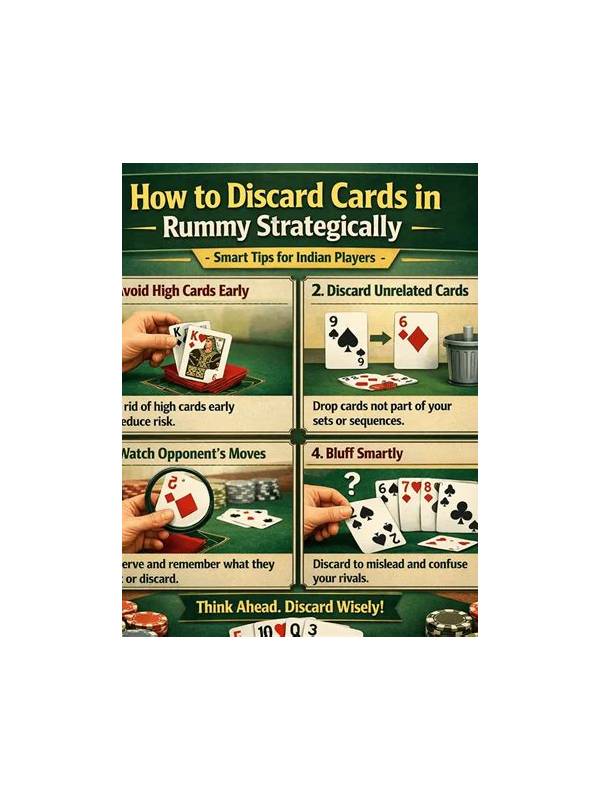
The safest discard is not always the most useful one. A low-point card may be easy to release, while a slightly riskier card may open a better route or remove a serious dependency. The comparison should be deliberate and limited to the current hand, rules, and table information.
Start with the safe candidate. What makes it safe? It may be isolated, low penalty, or unlikely to support a visible opponent plan. Then inspect the cost of keeping it. Does it occupy space that could support a stronger route? Is it part of a pair whose second role is already blocked? Safety has a price when it preserves clutter.
Now inspect the useful candidate. What improvement does releasing it create? Perhaps it allows two groups to be rearranged, exposes a high-point card for later release, or preserves a more flexible connector. Name the benefit specifically. “The hand feels better” is not enough. If the benefit depends on one exact future card, label it narrow and compare that dependency with the risk of the discard.
Information matters too. A discard can reveal your likely plan or give another player a card they need. Do not invent certainty about hidden hands, but do consider visible evidence such as recent picks and repeated suit interest when the variant makes that information relevant. If you cannot evaluate the information cost, favor a structurally clean discard.
The final choice should improve the whole hand or clearly reduce exposure. Use the safe discard when its risk is low and the useful discard offers only a vague hope. Use the useful discard when its structural gain is concrete and the remaining hand has a fallback. This balance keeps caution from becoming paralysis and improvement from becoming reckless chasing.