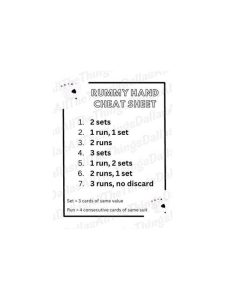
Rummy FAQ: Should You Keep a Pair of Connected Cards?
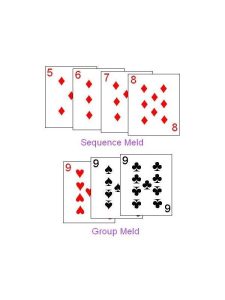
Is a connected pair automatically worth keeping? No. Two neighboring cards, such as a six and seven of the same suit, have potential, but potential must be compared with the rest of the hand. They may become a sequence with one card on either side, yet the required cards may be unavailable or may compete with a more useful plan.
What makes the pair stronger? A pair is stronger when it has more than one credible completion. An open pair can often accept a lower or higher connector, while a pair near an edge may have only one direction. A pair that overlaps with another group can also be valuable because one new card may improve several arrangements. These advantages are practical only if the rules permit the resulting group.
When should you release it? Consider releasing the pair when it blocks a completed or nearly completed group, when both completion routes are becoming unlikely, or when keeping it forces you to retain several unrelated cards. High-point cards deserve special attention because waiting for a narrow connector can increase the cost of a failed plan.
Does a matching pair help in a set? It can, but a pair of the same rank is not a set until a third card of that rank arrives. Check how many copies are visible and whether the pair has another role. If one card can also support a sequence, keeping both may be reasonable; if not, the pair should compete with every other incomplete group.
How long should you wait? Set a review trigger before the next draw. You might reassess after one or two turns, after a relevant card appears in the discard pile, or when another part of the hand becomes close to complete. A trigger keeps you from treating the pair as sacred.
The useful question is not “Are these cards connected?” It is “Do these cards offer the best route available now?” That question accounts for flexibility, penalty, information, and the possibility of a legal declaration. A connected pair is a candidate, not a commitment.
Another test is whether the pair can be separated without damaging a confirmed group. If one card has a second role and the other does not, keep the stronger role visible and treat the weaker card as a decision candidate. This keeps the hand from giving equal status to unequal cards.
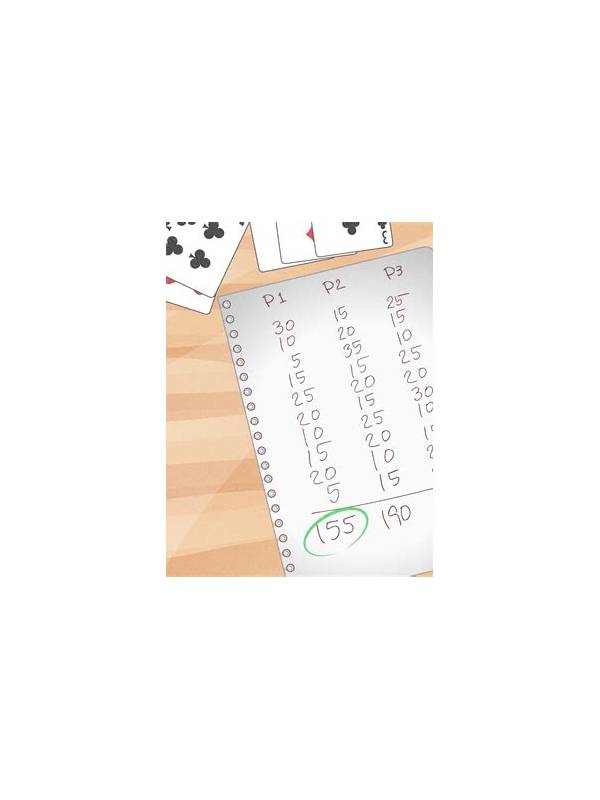
The best choice can depend on the format, scoring system, and stage of play. A pair worth waiting for in a relaxed practice deal may be too slow when the penalty for an unfinished hand is high. Review the pair whenever the cost of delay changes.