Rummy How-To: Create a Three-Level Priority List for Your Hand
When a hand contains several possible runs, pairs, and isolated cards, it is easy to spend every turn reconsidering everything. A three-level priority list gives each part a temporary rank. The list is not a commitment to one final arrangement; it is a way to decide what deserves attention first.
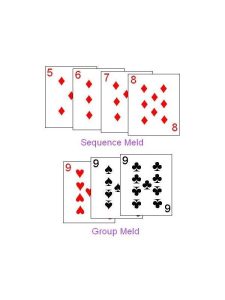
Put completed or nearly completed structures in Level One. These are the groups that would be damaged by a careless discard and can often become the foundation of a declaration. Mark the cards that must stay together and note any missing link. If a Level One group is already secure, do not keep re-evaluating it unless new information directly affects it.
Put flexible two-way possibilities in Level Two. These cards can support more than one route, such as a middle card that could join a sequence on either side or a rank that fits two possible groups. Level Two cards are your working material. They may move upward when they gain support or downward when a needed card becomes unlikely.
Put narrow hopes and disconnected cards in Level Three. Each should have a specific reason for remaining in the hand and a time limit. If a Level Three card does not improve or gain a safer role after the next cycle, it is a likely discard. This prevents weak possibilities from competing with cards that already carry evidence.
After every draw, update only three things: which group is closest to secure, which flexible card gained or lost a route, and which Level Three card has reached its deadline. Keeping the update small makes the method usable during a live game. You can also write the list during practice to train the habit.
Avoid treating the levels as a value ranking that never changes. A discarded card from the visible pile may make a Level Two route less likely, while a new connector can promote a Level Three card immediately. The list is a snapshot of current priorities. Its benefit comes from making change visible instead of letting every card feel equally urgent.
Use the same labels during practice and live play, even if the list stays private. Familiar labels reduce the mental effort of sorting and let you spend more attention on the table’s changing information.