Choosing Between Points and Pool Rummy Formats
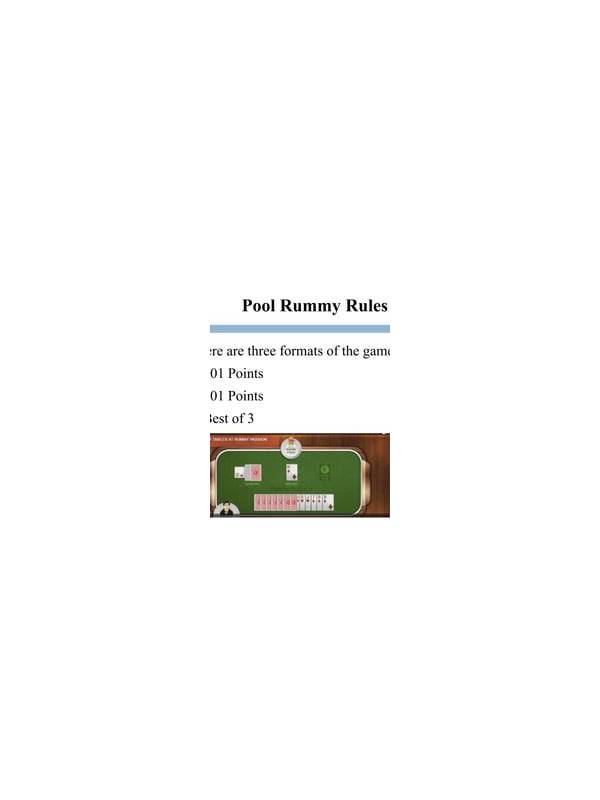
Points and pool rummy may use familiar card-making principles, yet the experience of each format can feel different. Choosing between them should start with the scoring model, expected session length, and your tolerance for changing pressure.
Points rummy commonly settles a deal quickly, with the score calculated from the result of that hand. This can suit a player who wants a clear beginning and end. Because each deal can have a direct scoring consequence, players may prefer a simple risk limit and a willingness to stop after the planned number of hands. Check the room’s point value and scoring display before joining.
Pool rummy usually continues until a player reaches a stated points threshold, although exact rules and variants differ. A poor deal may not end the whole session, but it can create a larger deficit to recover from. That structure rewards attention to cumulative score and may require more time. A player should know the target, elimination rules, and what happens after each round.
Compare formats on three questions. How much time can you give the session? How comfortable are you with a score that carries forward? Which rule set can you explain back to yourself without confusion? If the answer to the last question is unclear, read the table help before entering.
Bankroll and emotional limits matter in both formats. A longer pool session can make a player feel committed after an early loss, while a quick points deal can encourage repeated re-entry. Set the number of games or a spending boundary in advance and treat it as part of the format choice.
Neither format is automatically easier. Points may demand sharp decisions in a short window; pool may reward consistency across several rounds. Choose the table whose rules, duration, and limits fit your current attention. A comfortable format supports clearer decisions and makes responsible stopping easier.
It is also worth comparing the social and technical feel of the room. Some tables may be busier, faster, or more demanding on a small screen. A format that is mathematically familiar can still be a poor choice if the timer or display causes confusion. Try an explanation or no-cost version first when available. Confirm the local legal and age requirements for the service you use, because availability and rules can differ by location. A format choice is successful when you understand the structure before committing time or money. Read the displayed examples if the room provides them. Examples often clarify how a joker, penalty, or unfinished deal is handled. If the explanation still leaves an important question unanswered, choose a different table or wait for official clarification. Understanding the format is part of preparation.