
Comparing Single-Deck and Two-Deck Rummy Learning Curves
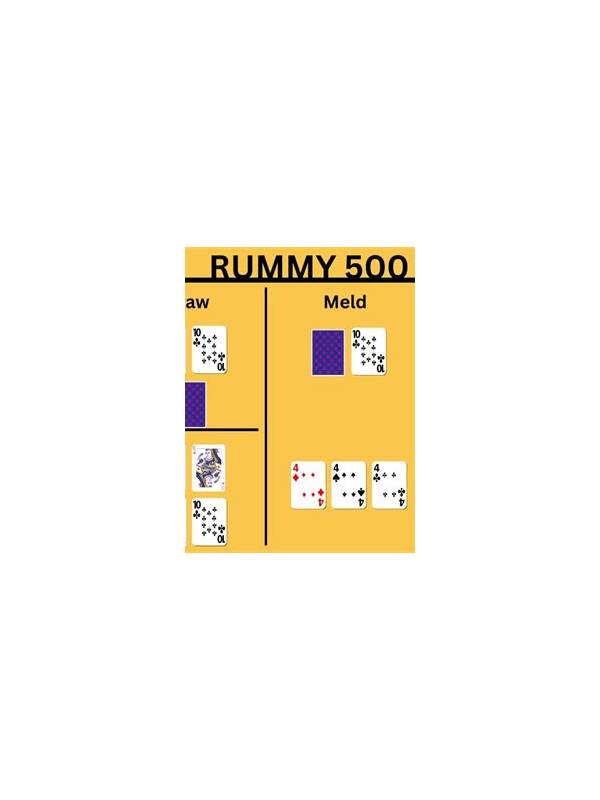
Single-deck and two-deck rummy can share familiar rules while feeling very different in play. The number of available copies changes how much information players can infer and how confidently they can plan. Comparing the formats helps a beginner choose a practice environment that matches their goals.
In a single-deck game, a discarded card carries stronger information because fewer copies remain. If one seven of a suit is visible, the possibilities around it are easier to narrow. This can make memory rewarding, but it also makes mistakes more costly. A player who forgets an important discard may misjudge whether a sequence is realistic.
Two-deck games provide more repetition. A useful rank may appear again, so a blocked-looking plan can remain viable for longer. That extra flexibility gives beginners more opportunities to experiment with sets and sequences. The trade-off is a larger information problem: seeing one card does not tell you that every copy of that card is unavailable.
The formats also differ in tempo and hand management. With more cards in circulation, a player may keep a broader collection of possibilities before committing. In a smaller deck, selecting a clear plan sooner can reduce wasted turns. Neither approach is automatically superior. The best choice depends on whether you are practicing disciplined narrowing or exploring combinations.
For learning, try the same exercise in both formats: after each turn, identify two likely uses for your retained cards and one discard that became less valuable. In the single-deck version, focus on tracking visible cards. In the two-deck version, focus on evaluating flexibility without overcounting evidence. Whichever format you choose, confirm the table’s exact rules first. Deck size affects strategy, but local rules determine what counts as a valid declaration and how points are settled. The learning curve also depends on table size and pace. A crowded two-deck table can create more visible activity and more possible discard signals, while a smaller table may give each choice greater weight. Before comparing results, keep the conditions similar: use the same time limit, scoring method, and level of attention. Otherwise, you may mistake a change in environment for a change in skill. If you are teaching someone else, begin with the format whose rules can be explained most simply, then introduce the other as a comparison. For a useful comparison, play several short rounds rather than judging one result. Track how often you misread a visible card, kept a narrow plan too long, or missed a valid alternative. Those notes reveal which format is teaching the intended skill.


