Rummy Comparison: Learning From Accepted and Rejected Draws

A rummy review usually records the card that was drawn, but the card that was rejected can contain equally useful information. Comparing accepted and rejected draws shows what your plan favored at the time. It does not prove that the choice was right or wrong; it reveals the reasoning that shaped it.
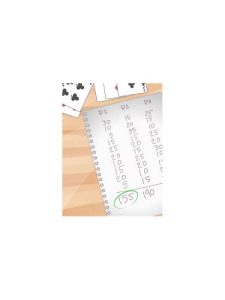
Create two columns in a practice journal: taken and declined. For each turn, write the card or card type, its intended role, and the missing link it addressed. Keep the notes brief. “Took a middle connector for a one-gap run” is more useful than “good card.” For a declined card, write why it was rejected: no role, too narrow, high point exposure, or concern about the visible pile.
After three or four turns, compare the columns. You may find that you consistently accept cards that complete an immediate pair while declining cards that preserve two future routes. Or you may notice the opposite: you keep flexible cards so long that completed groups never receive attention. The pattern matters even when the eventual hand wins or loses.
Separate decision quality from outcome. An accepted draw can be reasonable even if the needed follow-up never arrives. A rejected draw can be reasonable even if another player later appears to use a similar card. Judge the choice by the information available when it was made. The journal should not become a hindsight contest.
Add one counterfactual question at the end of the review: if I had accepted the declined option, what would my next decision have been? If the answer is clear and legal, compare both routes. If it requires an unlikely exact card, note that dependency. This helps distinguish a genuine alternative from an attractive story created after the fact.
Use the comparison for a weekly focus. You might choose to identify route cards more carefully, release high-cost cards earlier, or pause before taking a visible discard. Change one habit at a time and review a small sample. The value of the exercise comes from making your preferences visible, not from collecting a perfect record. Accepted and rejected draws together provide a balanced picture of how you build a hand under uncertainty.
You can also compare information quality. A taken card may improve the hand but reveal little about the next decision. A declined card may be less immediately useful yet leave a clearer route. Add a small clarity note during review. This prevents the journal from rewarding only visible progress and encourages choices that make later turns easier to evaluate.