
Rummy Comparison: Fixed and Flexible Jokers
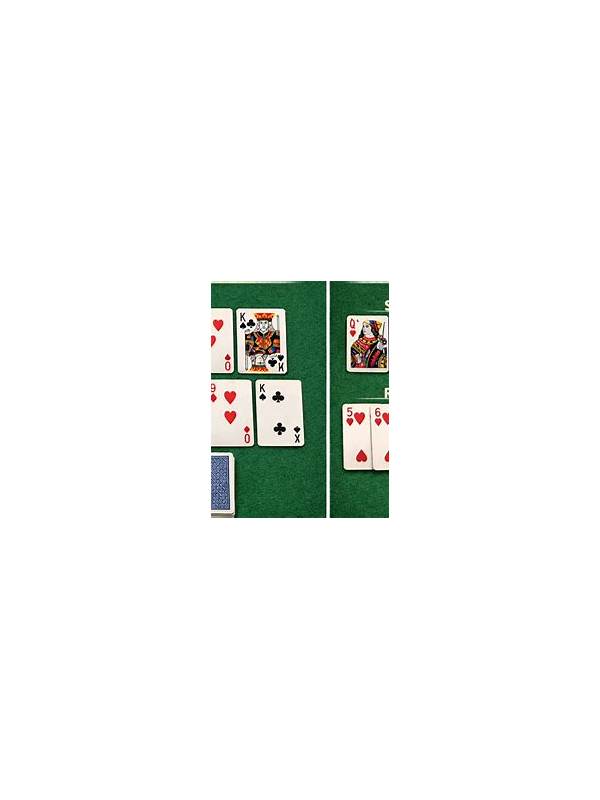
Jokers are powerful because they can fill a missing role, but that flexibility creates a timing question. A joker used now may complete a group and simplify the hand. A joker held back may support several routes later. Comparing fixed and flexible uses helps avoid both wasteful commitment and unnecessary hesitation.
Describe the fixed use first. Which exact card would the joker replace, and what valid group would result? If the group completes a required pure or qualifying structure, the immediate value may be high. If it merely makes a pair look stronger, the use may not justify giving up future flexibility. Always confirm the variant’s joker rules before relying on a special role.
Then list the flexible uses. Could the joker fill a gap in more than one sequence? Could it protect a group that otherwise requires an exact rank? Could holding it allow you to discard a high card while keeping a useful bridge? Count realistic routes, not every theoretical combination. A joker that fits three practical plans is more flexible than one that fits three plans requiring several unlikely draws.
Timing matters. Early in the hand, information is limited and flexible value is often higher. Later, a direct completion may be worth more because fewer turns remain. A high-cost hand may also justify an earlier commitment if the joker immediately removes substantial risk. There is no automatic rule to always hold or always use it.
Before deciding, ask what happens if the next draw is unhelpful. If holding the joker keeps a safe backup route, waiting may be sensible. If the hand remains crowded and the fixed use creates a clear declaration path, commitment may be better. Record the choice in a practice note so you can compare the reasoning later.
The best joker decision is the one that matches the hand’s stage, rules, and remaining options. Treat flexibility as a resource with a cost, not as a magical guarantee of improvement.
Avoid judging a joker decision solely by whether the needed card later appeared. A sensible hold can fail, and a rushed commitment can succeed by chance. Record the information available at the moment, the route supported by the joker, and the next reassessment point. This makes later review fair. If the table uses a house rule, write it down before practice so the comparison remains consistent. When two joker uses are close, prefer the one that leaves your card layout easiest to read. Visual clarity reduces the chance of reusing a card or overlooking a qualification. A modest strategic gain can be lost to a preventable declaration error, so organization is part of the comparison.


