
Rummy Comparison: Short Melds Versus Long Sequences
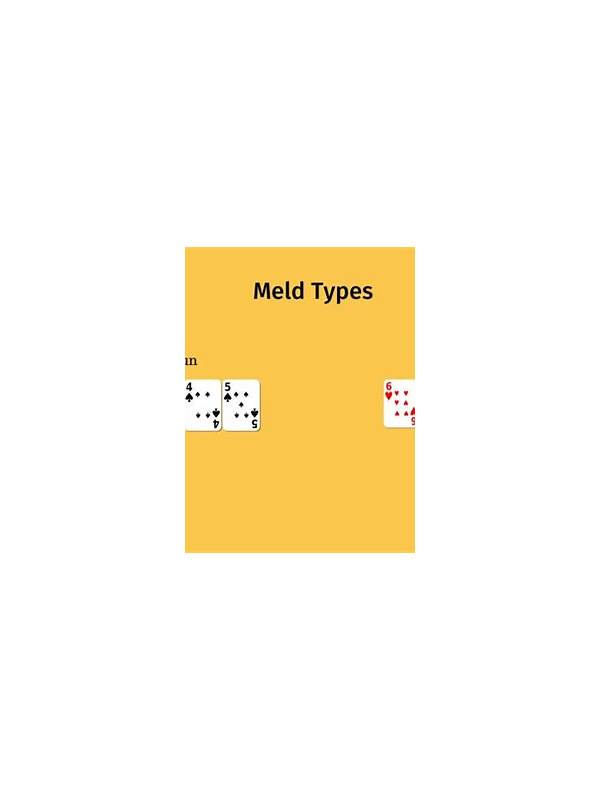
Short melds and long sequences offer different kinds of progress. A short meld can confirm a legal group early, while a longer sequence may absorb more cards and leave fewer loose ends. Neither is automatically better; the right choice depends on requirements, flexibility, and timing.
A short meld is attractive because it is easier to complete and verify. A small set or sequence can secure one part of the hand while you work elsewhere. It may also reduce the number of cards competing for attention. The drawback is that a short group can become isolated, leaving several unrelated cards that still need a plan.
A long sequence can be efficient when the cards are naturally connected. It may use cards that would otherwise become deadwood and can simplify the final arrangement. However, extending a sequence is not always progress. Chasing one missing endpoint can consume turns that should have been used to secure a required structure.
Compare the routes by completion cost. How many specific cards are missing? Does the route satisfy a pure-sequence requirement? If the next draw misses, can the cards be rearranged into a different useful group? A short meld with no backup may be more fragile than a longer sequence with several continuations.
Timing changes the comparison. Early turns favor flexibility, so do not force a long route before you know its supporting cards. In the middle of a hand, a long sequence may be worth pursuing if it reduces deadwood and has multiple outs. Near the end, choose the route that makes the legal declaration easiest to prove, even if it is less elegant.
The best review is practical: count useful draws, point value, and allocation conflicts. Then choose a route and set a reassessment point. If the expected connector does not arrive by that point, simplify. This keeps a promising long sequence from becoming a comfortable excuse to delay a necessary discard.


