Rummy Decision Weighting: Separate Urgent Choices From Interesting Ones
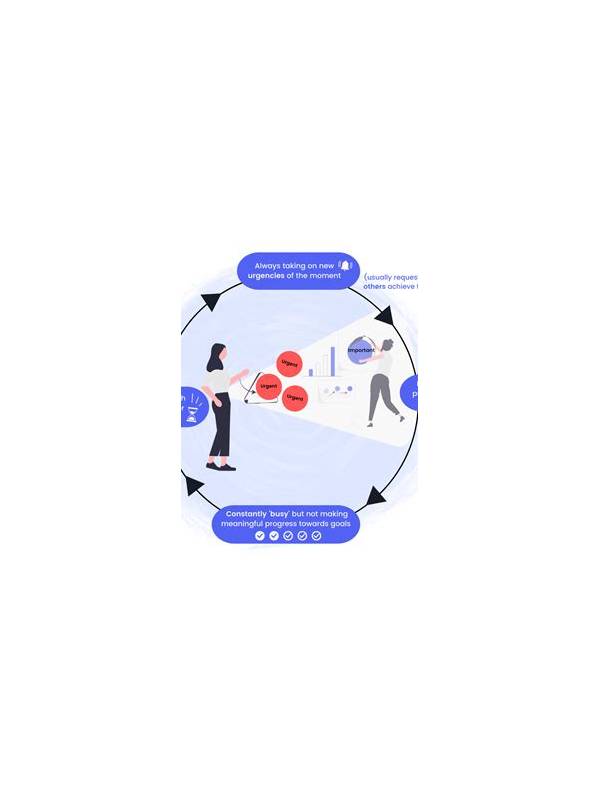
Every turn can contain more possibilities than you can inspect comfortably. Some deserve attention immediately; others are merely interesting. A decision-weighting method helps you spend time on the choice most likely to change the hand’s condition.
Start with urgency. An urgent choice involves a card that creates meaningful penalty exposure, a nearly complete legal requirement, or a narrowing window. If ignoring it could leave you unable to respond later, give it priority. Urgency is about the cost of delay, not how exciting the card looks.
Then consider impact. Will this decision change one group, several routes, or only the order of two similar cards? A move that affects the whole hand deserves more review than a cosmetic rearrangement. When impact is low, choose a consistent rule and continue rather than using all your time.
Finally, evaluate evidence. A dramatic-looking possibility supported by one unlikely card should not automatically outrank a modest route supported by several visible connections. Mark evidence as strong, medium, or weak. You can then compare urgency, impact, and evidence without pretending to calculate exact odds.
One practical order is: protect legal requirements, reduce serious exposure, preserve the clearest route, and only then explore speculative improvements. This is not a universal rule for every variant. It is a starting framework that can be adjusted when the scoring system or table objective changes.
Practice by reviewing old hands and assigning each decision three labels: urgent or not, high or low impact, and strong or weak evidence. Notice where your attention went at the time. If you repeatedly spent too long on low-impact possibilities, create a pause phrase such as “what changes if I wait?” Weighting does not remove uncertainty. It makes uncertainty easier to manage. You can make weighting faster with a three-second scan: “What can hurt now? What changes most? What do I actually know?” If the answers are unclear, choose the legal move that reduces exposure and preserves a readable hand, provided the variant supports that objective. Record unusual exceptions for later review. The framework should reduce mental clutter, not become another complicated ritual that delays a timed turn. If you are still unsure after the scan, record the uncertainty and choose the option that keeps the hand easiest to evaluate on the next turn. If you are still unsure after the scan, record the uncertainty and choose the option that keeps the hand easiest to evaluate on the next turn.