Rummy FAQ: Can Sorting Order Change Your Decisions?
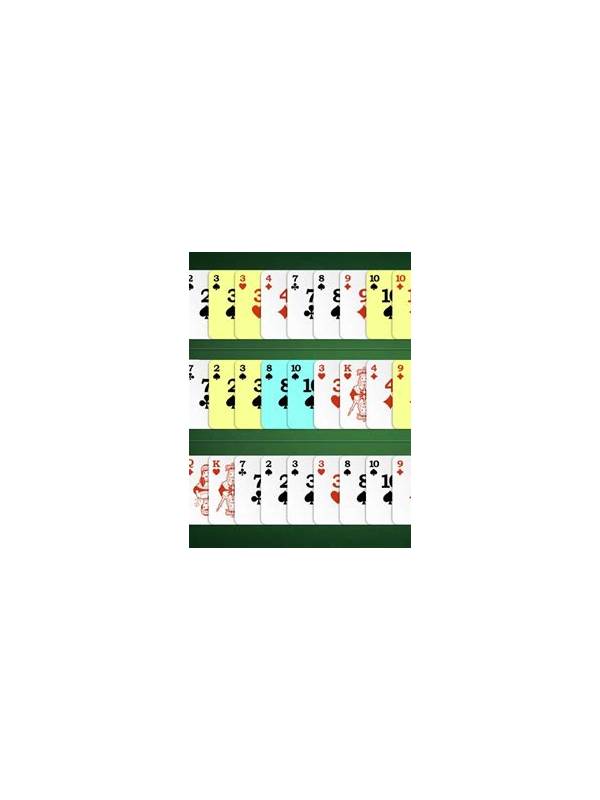
Sorting order has no effect on the cards you receive, yet it can strongly affect what you notice. A cluttered hand hides connections, duplicates, and dangerous gaps. A consistent layout makes comparison faster and reduces avoidable mistakes during a timed turn.
There is no universal best arrangement. Some players sort by suit and rank, while others place possible runs together and keep pairs in a separate area. Choose the method that lets you answer three questions quickly: Which group is already useful? Which card has two possible jobs? Which card is currently unsupported?
Do not rearrange randomly after every draw. Frequent movement can create its own confusion, particularly on a small screen. Instead, use a repeatable routine. Draw the card, place it temporarily in a “new” position, inspect possible connections, then move it into the appropriate group. Finish by checking the proposed discard before confirming it.
A good layout also protects against false certainty. Cards placed together may look like a sequence even when a required middle card is missing. Leave a visible gap or use a simple note to mark that the group is incomplete. This keeps visual proximity from becoming a mistaken assumption.
If your platform automatically sorts cards, learn what the order means. Automatic sorting may arrange by suit, rank, or meld suggestion. Treat those suggestions as presentation help rather than proof that a group is valid. Rules about sequences, sets, jokers, and declarations still need to be checked separately.
Try two layouts during free practice and compare errors, not speed alone. The better layout is the one that helps you spot unsupported cards and verify a declaration. A tidy hand is useful because it improves attention; it is not a strategy by itself.
Keep accessibility in mind when choosing a layout. Increase text size or screen brightness only enough to read comfortably, and avoid colors that are difficult to distinguish. If cards overlap on a phone, use spacing or a landscape view when available. Visual comfort reduces rushed substitutions and missed symbols. The best arrangement is one you can inspect reliably after a distraction, not merely one that looks elegant in a screenshot.
Practice the layout with deliberately awkward hands. A layout that works only when the cards form obvious groups has not been tested properly. Mix pairs, gaps, and singletons, then see whether the unsupported card remains visible. This small drill reveals whether your arrangement helps with real decisions or merely improves presentation.