Rummy FAQ: Why Can a Neat Hand Still Be Unready?

A hand can look organized and still be unready. Cards may sit in attractive rows, the loose cards may have low values, and one group may appear almost complete. None of those facts proves that the hand can be finished safely. Neatness is an aid to observation; readiness requires a separate check of legality, missing requirements, and available alternatives.
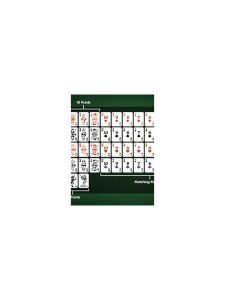
Start by separating visual order from confirmed structure. A row of neighboring cards is not automatically a legal sequence, and a matching-rank group may still violate the format’s rules. Check suit, rank, group size, and any requirement for a particular kind of sequence. If the layout is digital, read the interface carefully rather than trusting color or spacing alone. If the layout is physical, move uncertain cards to a neutral area until their role is clear.
Next, count unfinished work. For every partial group, name the exact card or condition it needs. Do not count a card as progress merely because it is close in rank. A route needing one verified connector is different from a route needing two specific cards in order. Write the requirements in a short list and compare them with the rest of the hand. A tidy arrangement may still contain several narrow routes and no useful backup.
Then examine the exit. If the next expected card does not appear, what will you release? If the route requires breaking a complete group, what evidence would justify that cost? If you cannot answer either question, the hand is organized but not prepared. Give the uncertain route a deadline or move it out of the primary plan. Readiness includes knowing how to recover from a miss.
Finally, perform a fresh scan after any resorting. Arrangement can make you forget which card was newly drawn or which assumption changed. Check the hand size, every complete group, the remaining loose cards, and the proposed discard. Describe the position in one sentence. If the sentence claims certainty that the cards do not support, slow down and mark the uncertain part.
This distinction is useful in practice because it prevents visual tidiness from creating false confidence. A clean layout should make questions easier to ask, not end the questioning. When the hand is legal, its requirements are known, and its next fallback is clear, it is ready for a decision. Until then, neatness is only the beginning of the review.
The same check works after a long interruption or a change of table. Reconfirm the format before trusting a familiar arrangement, because a new rule can change what “ready” means. A deliberate review is quicker than repairing a confident but invalid declaration.