
Rummy FAQ: What Is an Information-Poor Draw?
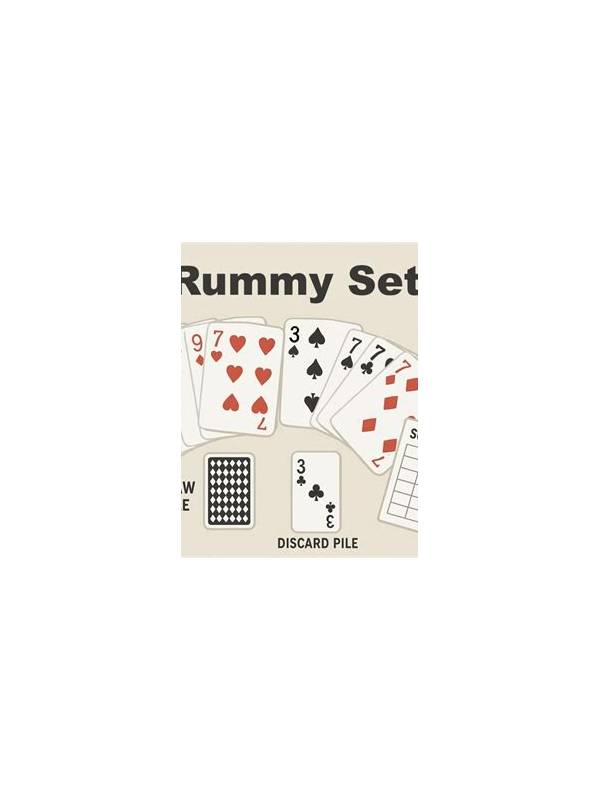
An information-poor draw is a card that changes the contents of your hand but does not clarify a useful route. It may sit near several cards without completing or improving any of them. Such a draw is not automatically bad; it simply means you should avoid treating the new card as evidence that your original plan is working.
After receiving an unclear card, inspect every possible role. Can it join a sequence, complete a set, or preserve an overlap between two plans? If the answer is no, compare it with your current loose cards. The new card may still be the best discard if it carries a high penalty or has no future flexibility. The important point is to evaluate it rather than keep it by default.
Information-poor draws are common when the hand contains many isolated cards or when a player commits too early to one suit. They are also more noticeable late in the round, when fewer turns remain. A useful response is to simplify. Release the card with the fewest connections, protect the strongest confirmed group, and avoid adding a third speculative route.
Do not confuse an unclear draw with a useless draw. Some cards are valuable because they keep options open even though they do not complete anything immediately. A middle rank that can join several sequences may be strategically better than a card that completes a single narrow route. Ask whether the card improves your next decision, not merely whether it looks complete now.
The lesson is to treat every draw as an update, not a verdict. If it provides no new information, rely on the structure you already understand and reduce unnecessary uncertainty. This habit prevents random arrivals from pulling the entire hand into a new plan without adequate support. There is also a social benefit to recognizing these draws. Players sometimes become frustrated when a new card does not immediately improve the hand, then compensate by taking unnecessary risks. Naming the draw as information-poor removes some of that pressure. You can make a conservative discard, preserve your strongest structure, and wait for better evidence. If several turns remain, patience may be a strategy. If few turns remain, simplification may be the stronger response. In both cases, the label helps you choose deliberately. That small pause can protect both your hand and your mood. When reviewing the hand later, ask whether the card truly added a route or only added hope. That distinction improves future decisions.


