Rummy Guide: Use a Decision Tree for the First Three Turns
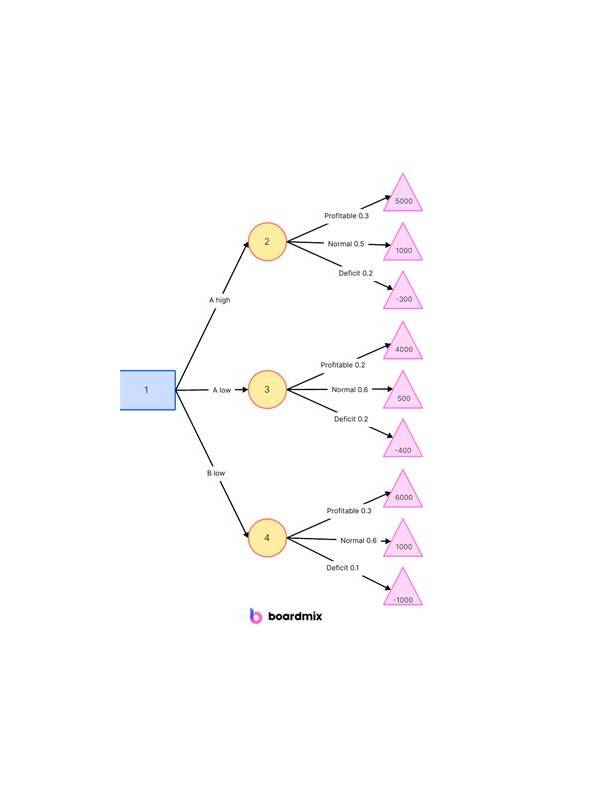
The first three turns of a rummy hand often feel simple because there are fewer visible events to consider. In practice, those turns establish the structure that later choices will either strengthen or repair. A small decision tree can keep the opening deliberate without making it mechanical.
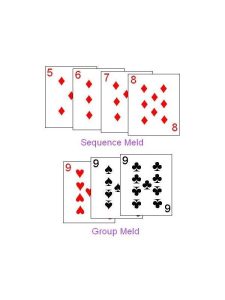
Begin by asking whether your opening cards contain a confirmed legal requirement for the format. In many Indian rummy variations, that means looking first for a pure sequence or another mandatory structure. If one is already present, protect it while evaluating the remaining cards. If it is not present, identify the two or three cards that offer the clearest route toward one. Do not call a pair a plan merely because the ranks are close; note what additional card would make it useful.
On the first turn, compare the closed draw with the visible discard using three questions: does the discard complete or improve a real route, does taking it reveal too much about your direction, and what card would you release afterward? If the discard answers none of these questions, the closed draw usually preserves more uncertainty in your favor. The goal is not to avoid the discard pile, but to use it when its information and immediate value justify the signal.
After the draw, sort the hand into confirmed groups, promising links, and unassigned cards. A confirmed group needs no imaginative explanation. A promising link has a specific missing card or a narrow set of useful cards. Unassigned cards have no current job. This classification makes the next discard easier because you can remove a card that is both expensive and unsupported.
On the second turn, ask whether the new card changed the best route. If it did, record the change in one sentence before discarding. If it did not, continue testing the original route rather than inventing a new one from every attractive card. On the third turn, perform a wider audit: count completed requirements, count unresolved links, and identify one fallback. A fallback might be a different sequence, a set route, or simply a lower-exposure discard policy.
This tree is a process aid, not a promise that the hand will cooperate. It keeps opening decisions connected to legal structure, replacement cost, and visible evidence. Once the third turn is complete, continue with the same questions only when the hand remains unclear; a strong new draw should be evaluated on its own merits.