
Rummy Guide: Review a Hand Using Decision Checkpoints
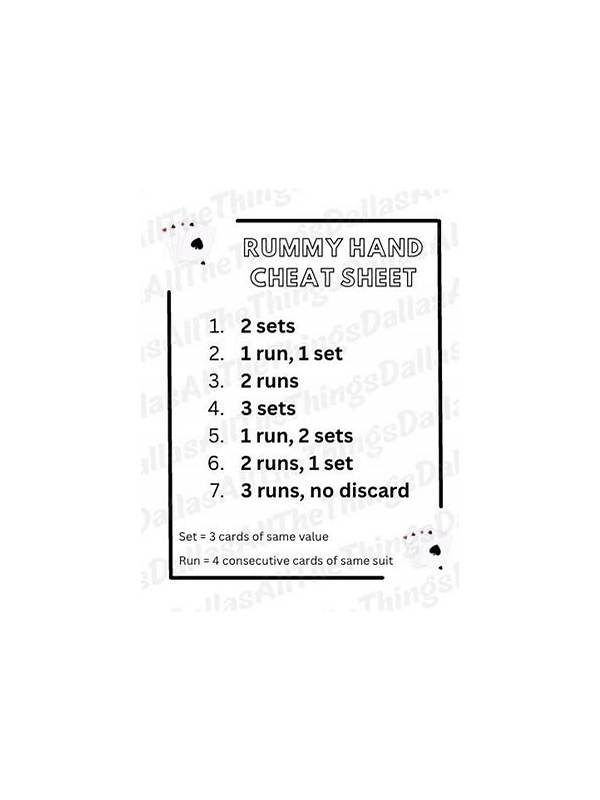
A hand review is most useful when it follows the decisions you actually faced. Rather than judging the result alone, divide the hand into checkpoints: the opening sort, the first meaningful discard, the midgame change, and the final arrangement. At each point, ask what you knew and which alternatives were available.
At the opening checkpoint, record the strongest connection and the most awkward card. Did you identify any required sequence early? Did you create several routes or commit to one without evidence? This stage reveals whether your initial picture was broad enough. Do not criticize yourself for failing to predict a draw that was unknowable.
At the first discard checkpoint, compare the card you released with the next-best candidate. What role did each card have, and what table information influenced the choice? If you discarded a useful-looking card, was it because it had become too narrow or because you were simply impatient? A clear explanation is more valuable than labeling the move lucky or unlucky.
The midgame checkpoint focuses on adaptation. Identify the event that should have changed your plan, such as a missing card becoming visible or a new group forming. Did you update promptly? If not, what were you protecting: a genuine route or the time already invested in it? This question often exposes commitment bias.
At the final checkpoint, verify every group against the rules and note the points left exposed. Finish by writing one repeatable rule for your next session, such as reassessing a route after two unhelpful draws. Keep the lesson narrow enough to use. A review that produces one practical adjustment is more valuable than a long account of everything that went wrong. Use the review to separate process from outcome. A legal, flexible discard can be correct even if the next card would have completed the card you kept. Conversely, a lucky result does not prove that a narrow route was wise. Ask whether the choice made sense with the information available, then note what extra information would have changed it. This approach creates lessons that transfer to future hands. It also keeps review constructive, so analysis improves attention instead of turning every loss into a personal judgment. The aim is a usable lesson, not a perfect explanation of every random event. Record only what you need for learning, and remove notes that contain unnecessary personal or account information. Reflection should improve play without creating a privacy problem.


