
Rummy How-To: Build a Simple Post-Session Scorecard
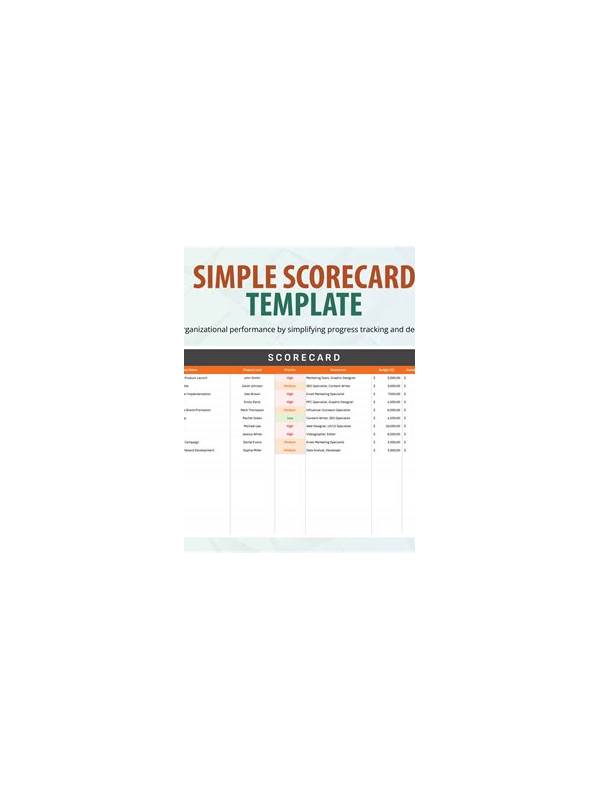
A post-session scorecard can show patterns that a single result hides. It does not need to grade every move or assign a dramatic rating. Five consistent questions are enough to turn experience into feedback you can use in the next session.
Start with process measures rather than outcomes. Record whether you checked the hand after each draw, reconsidered a route after new information, and paused before an important discard. These behaviors are within your control. A win can happen despite poor process, and a loss can happen despite sound decisions, so keep the measures separate from the result.
Add one risk measure. Count how often you held a high-penalty or disconnected card for too long, or note whether your final hand contained a route you had already abandoned. Choose one measure and use it consistently. Too many categories make the scorecard impressive but difficult to complete.
Include one table-reading measure, such as whether you noticed an opponent taking a useful discard without overreacting. The purpose is not to guess hidden hands perfectly. It is to check whether you collected and tested information that was available. Mark “noticed,” “missed,” or “unclear” rather than pretending every signal had a definite meaning.
Finish with a short reflection: one decision you would repeat, one decision you would revisit, and one rule for the next session. Keep each answer to a sentence. This makes the scorecard quick enough to use even after a long day and gives the next practice session a clear focus.
Review the scorecard after several sessions, not after one. Look for repeated process gaps, such as abandoning flexibility too early or failing to reset after a bad draw. Pick the most frequent pattern and work on it for a week. A useful scorecard is not a judgment of your ability; it is a small feedback loop that helps your choices become more deliberate over time.
Keep outcome notes separate from the process score. You may record whether the hand ended well, but do not let that result change the marks you gave yourself for following the routine. After enough sessions, compare process scores with outcomes cautiously. The goal is not to prove that one behavior guarantees a win. It is to find which habits make decisions clearer, reduce avoidable errors, and remain useful across different opponents and hand shapes.
Review the scorecard on a fixed schedule, such as after five sessions. A regular interval prevents one unusually good or bad result from dominating your conclusions. Keep the next target small enough that you can recognize progress in actual play.


