Rummy How-To: Build a Three-Lane Meld Plan
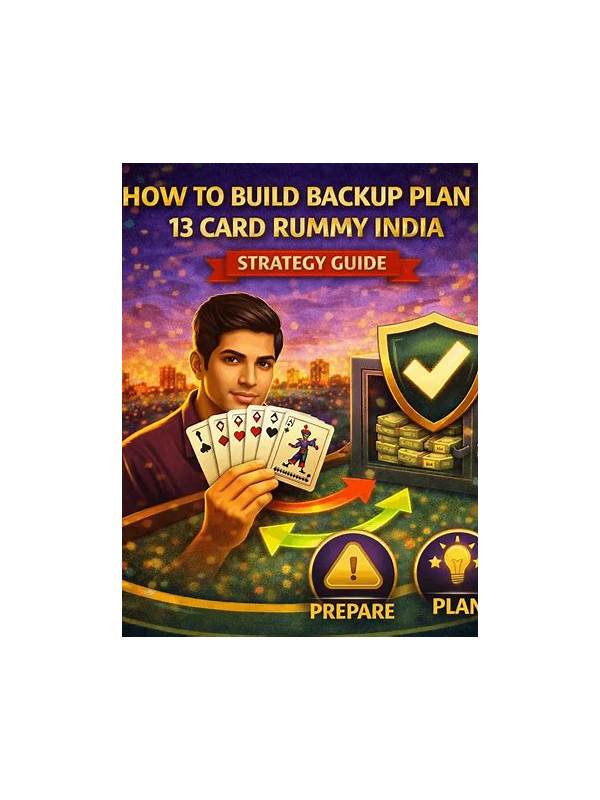
A crowded rummy hand often feels difficult because every card appears to belong to a different idea. A three-lane plan gives each card a temporary job. The first lane is your strongest current route, the second is a realistic backup, and the third contains cards that are waiting for evidence before they receive more attention.
Begin by sorting the hand by suit and rank. Identify the structure that needs the fewest useful draws and place it in lane one. This might be a nearly complete sequence or a set supported by matching ranks. Do not select a route because it looks elegant; select it because its missing cards are reasonably defined and its current cards do not need to be reused elsewhere.
Lane two should be flexible but not imaginary. Give it cards that already connect in some way, such as a short run or a pair with an adjacent possibility. If lane two requires several exact cards, it is not a backup; it is a wish. Lane three holds isolated high cards, duplicated roles, and uncertain pairs. These cards are candidates for review and possible discard.
After each draw, ask which lane gained evidence. If lane one improves, protect it while checking whether lane two still matters. If lane two becomes stronger than lane one, switch deliberately rather than drifting. When a lane receives no support over several turns, move its cards to lane three. This prevents a single early idea from controlling the whole hand.
The plan is not a permanent arrangement. It is a short-term map for reducing confusion. Keep only the routes that can be described in plain language: “one card completes this sequence” or “this pair can become a set.” When every card has a role and every role has a review point, discards become more intentional and the hand becomes easier to read. You can also use the lanes to explain a hand after it ends. Ask when the primary route first became weak, whether the backup had enough evidence, and which card stayed in the review lane too long. This review avoids blaming a single draw. It focuses on the moment when the plan should have changed. In a practice session, deal several hands and give yourself the same lane names each time. Consistent labels make different hands easier to compare and help you notice whether you are overcommitting to pairs, long sequences, or high cards.