
Rummy How-To: Compare Discard Roles Before Drawing
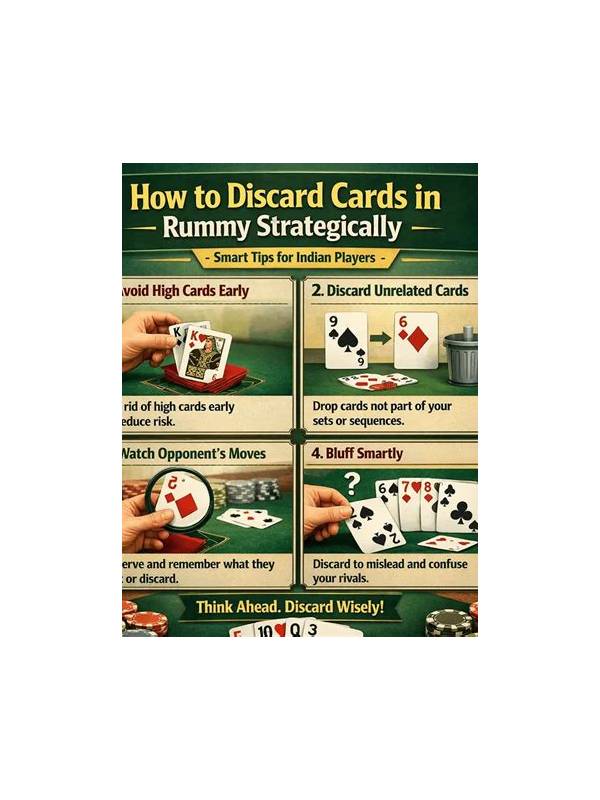
Two discard candidates can look equally reasonable when a rummy hand is crowded. A structured comparison helps you choose by function rather than by instinct. The aim is not to find a risk-free card; it is to identify which release leaves the hand with the stronger next position.
Start with structure. For each candidate, ask what group it currently supports and what happens if it leaves. A card that belongs to a reliable sequence should usually receive more protection than an isolated card. However, a pair or near-run is not automatically reliable; compare the number and quality of its completion routes.
Then compare flexibility. Which discard leaves more cards able to serve more than one route? A card may be attractive because it helps one narrow plan, while the other candidate may be less exciting but preserve several exits. Look one draw ahead and consider whether the remaining hand will be easier to rearrange.
Add a timing check. If the hand is early, preserving options may be more important than immediate points. Near the end, the candidate that protects a required structure or removes a costly remainder may deserve priority. A discard that was sensible two turns ago can become wrong when the deadline changes.
Finally consider public information and personal risk. A discard may provide an opponent with a useful card, but guessing their exact hand is not necessary. Treat the clue as one factor alongside your own improvement. Also preserve any spending and time limits; a close discard choice never justifies extending a frustrating session.
If the candidates remain close, use a neutral tie-breaker: choose the one that leaves a clearer next priority. After the turn, note what you expected each discard to accomplish and compare that expectation with the next draw. This makes the method testable rather than purely theoretical.
With practice, the comparison becomes quick: structure, flexibility, timing, public information, and next priority. The best discard is not always the safest-looking one or the card you like least. It is the release that gives the current hand the clearest path to a valid, manageable finish.
Use the method during practice by pausing before the draw and naming both candidates aloud or in a private note. The explanation should fit in one sentence for each card. If you cannot explain a candidate’s role, that uncertainty is itself useful information and may justify a slower review. That pause can prevent automatic discards.


