Rummy How-To: Label Every Card by Its Current Role
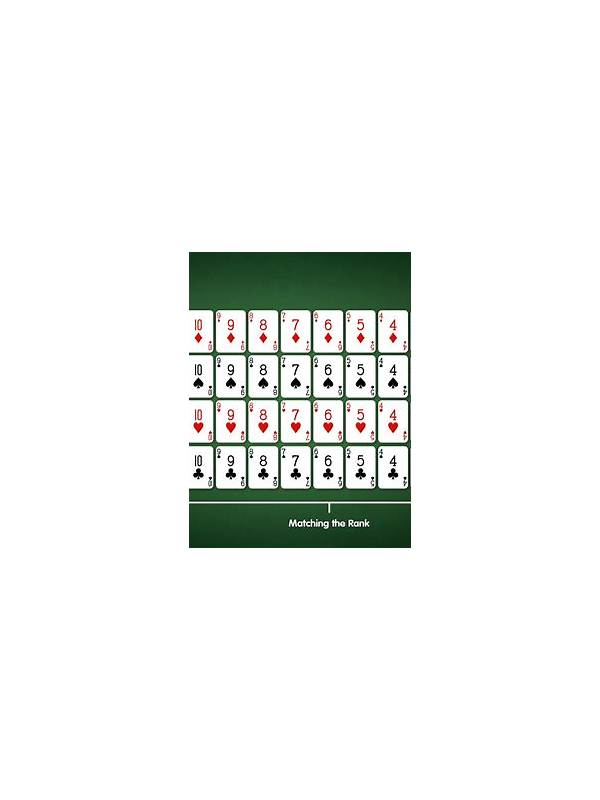
Sorting cards only by suit or rank can leave a hand visually neat but strategically unclear. A useful alternative is to give each card a current role: committed, flexible, speculative, or discardable. These labels are temporary. They describe what the card is doing in your plan right now, not what it must do for the rest of the hand.
Committed cards already belong to a strong meld or a nearly complete group with natural support. Protect them from casual discards. Flexible cards connect to more than one plausible route. A middle card may extend a run on either side, while a card shared by two candidate groups can buy you time. Keep these cards visible when comparing choices.
Speculative cards have a possible use but weak evidence. A single high card near a potential sequence belongs here, as does a pair that needs a specific rank. Speculative cards are not automatically bad. They are simply the first candidates to reconsider when a draw fails to improve the plan.
Discardable cards have little connection to the rest of the hand, duplicate a completed need, or carry a cost that is not justified by their potential. Labeling a card discardable does not mean throwing it away instantly. First check whether the discard would reveal an obvious signal or help an opponent. Timing still matters.
Re-label after every meaningful draw. A card can move from speculative to committed when a connector arrives, or from flexible to discardable when another route closes. Avoid keeping old labels in your head. The current hand, not the hand you hoped to build two turns ago, should guide the next decision.
This method is especially helpful under time pressure. Instead of asking what every card might become, ask which role changed and which label has the weakest support. Over time, the labels also create a review record: you can see whether you discarded a genuinely weak card or abandoned a flexible route too early. Clarity comes from updating the roles honestly, not from finding a perfect plan at the start.
You can make the labels physical by placing cards in small groups, or mental by using a consistent order on screen. The method is not tied to a particular app or rule set. What matters is that every card has a reason for staying. When a card no longer has that reason, the label gives you permission to reconsider it without feeling attached to an earlier plan. That creates a cleaner hand and a calmer next decision.