Rummy Safety: Keep Practice Notes Free of Account Details
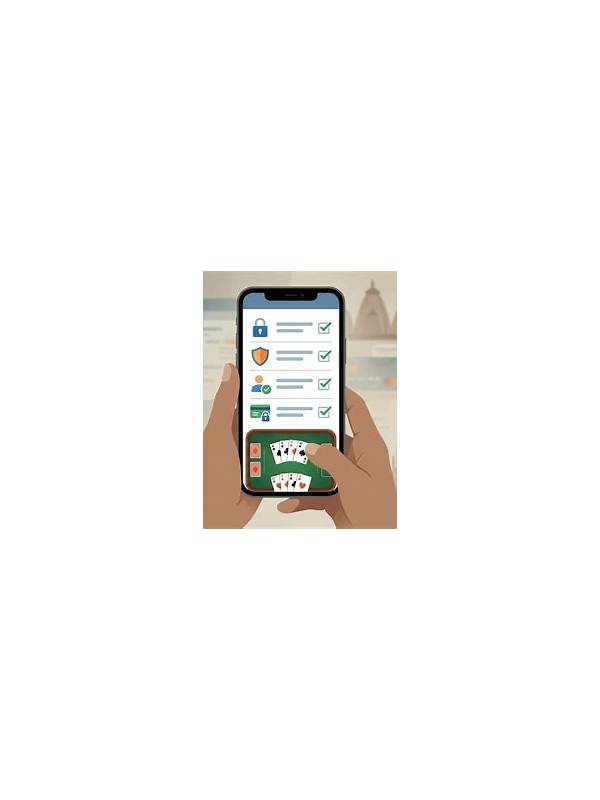
Practice notes are useful for recording decisions, but they do not need personal account information. A hand review can explain what you drew, what you discarded, and what you learned without including a username, phone number, payment reference, recovery code, or screenshot of a private message. Keeping the two categories separate reduces the harm if a notebook, phone, or shared folder is viewed by someone else.
Start with a neutral session label. Use a date, a practice theme, and perhaps a hand number. “Connector exercise, hand three” is enough to find the entry later. Avoid using a full account name or a table participant’s identifiable details. If another player’s action matters, describe it generically: “an opponent took the open seven,” not a person’s profile information.
When saving a screenshot, crop it to the cards or interface element needed for analysis. Remove balances, deposit buttons, chat panels, notification banners, and profile areas. Check the image at full size before sharing it. Small text can reveal more than expected, especially on a high-resolution screen. If a screenshot is not necessary, a written description is usually safer and easier to search.
Store notes in a location appropriate to their sensitivity. A local notebook or a private, access-controlled document is preferable to a public post or an unprotected shared link. Do not paste recovery codes or verification messages into a hand journal. If support asks for information, use the service’s official channel and follow its instructions rather than adding the exchange to ordinary strategy notes.
Review old notes periodically. Delete duplicate screenshots and remove details that no longer serve the learning goal. Before recycling a device or sharing a folder, check both the visible files and trash or recently deleted areas. A note about a discarded card can remain useful after identifying details have been removed.
Privacy supports better learning because it keeps attention on decisions rather than on managing unnecessary exposure. A safe template can contain only five fields: format, hand state, decision, result, and lesson. That is enough to build a useful record while leaving credentials, financial information, and private communications completely out of the practice system.
If notes are shared, remove identifying details first and check the recipient list carefully. Learning should never require unnecessary exposure.
It is also wise to use generic filenames for exported reviews. A title such as “connector practice” communicates the purpose without exposing an account identity. If a cloud service is used, review its sharing setting before sending a link, and remove access when collaboration ends. These small habits keep an ordinary study record from becoming an accidental profile of your activity.